

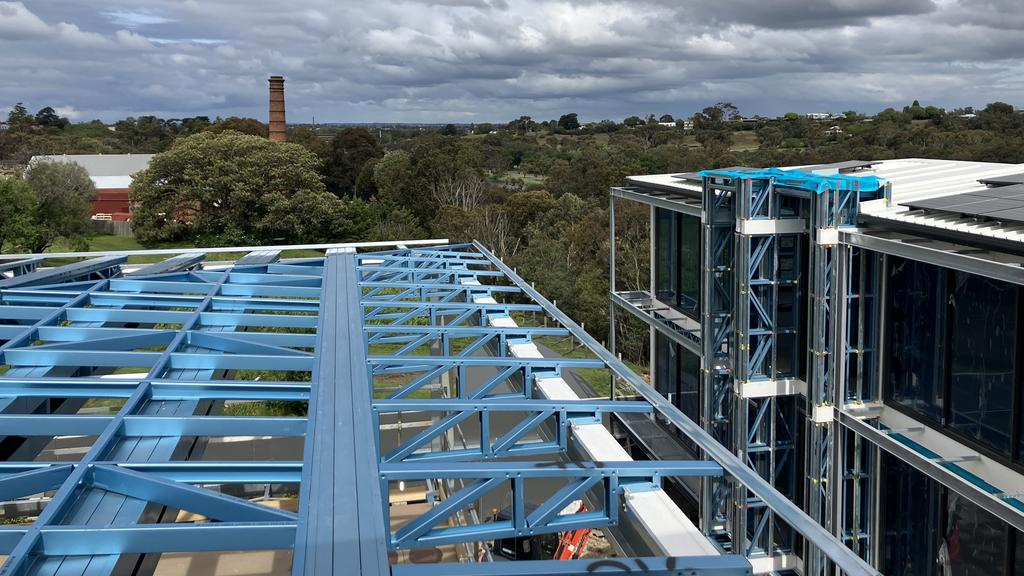
Geelong is undergoing a period of rapid transformation, with major infrastructure and development projects reshaping the region into a key regional hub for Victoria. Significant investment across transport, civic infrastructure and housing is not only changing the city’s physical landscape, but also driving strong growth across the local construction sector and associated industries.
At the forefront of this activity is the Nyaal Banyul Geelong Convention and Event Centre, a landmark waterfront development set to become a major destination for business events and tourism. The scale of the project has created extensive opportunities for local civil construction firms, particularly during early site works and ongoing infrastructure installation. Earthmoving contractors, drainage specialists and concrete crews have all played a role, supported by a steady demand for excavator hire services in Geelong and other plant equipment. Beyond construction, the project has also engaged architects, engineers and design consultants, ensuring local expertise is embedded throughout its delivery.
Transport infrastructure has been another major contributor to Geelong’s construction surge. The Geelong Line Upgrade has involved extensive works to improve rail capacity and reliability, including track duplication and station upgrades. These projects rely heavily on civil construction capabilities, with local contractors involved in bulk earthworks, track preparation and supporting infrastructure. The scale and complexity of the works have also created consistent demand for labour, with local labour hire firms supplying skilled workers across multiple stages of the project.
Road upgrades are also playing a crucial role in supporting the region’s growth. The Barwon Heads Road upgrade, for example, is improving connectivity in Geelong’s rapidly expanding southern suburbs. Projects of this nature require significant input from civil construction companies, particularly in areas such as road base preparation, drainage systems and traffic management. They also generate strong demand for machinery hire, with excavators and other heavy equipment essential to maintaining progress across large-scale worksites.
Alongside these major infrastructure projects, Geelong’s residential development continues to expand at pace. Growth areas such as Armstrong Creek and Charlemont are seeing ongoing subdivision and housing construction, which depend heavily on early-stage civil works. Local contractors are responsible for land clearing, site levelling and utility installation, while surveyors, planners and architects contribute to the design and layout of new communities. This steady pipeline of residential work has created reliable demand for both labour and equipment, supporting smaller businesses across the region.
What distinguishes Geelong’s current construction boom is the extent to which it is supporting the broader local economy. Civil construction firms are not only delivering key components of major projects, but also building capability and experience that will benefit future developments. At the same time, related industries such as equipment hire, material supply, professional services and labour provision are all experiencing increased demand.
This level of activity is helping to strengthen Geelong’s position as a self-sustaining regional centre, with the skills and resources to deliver complex projects locally. As investment continues across infrastructure and housing, the collaboration between major project teams and local businesses will remain essential.
Geelong’s growth is not just about new buildings and upgraded transport links. It reflects a broader shift towards a more connected and economically diverse region, where local industry plays a central role in shaping the future.