

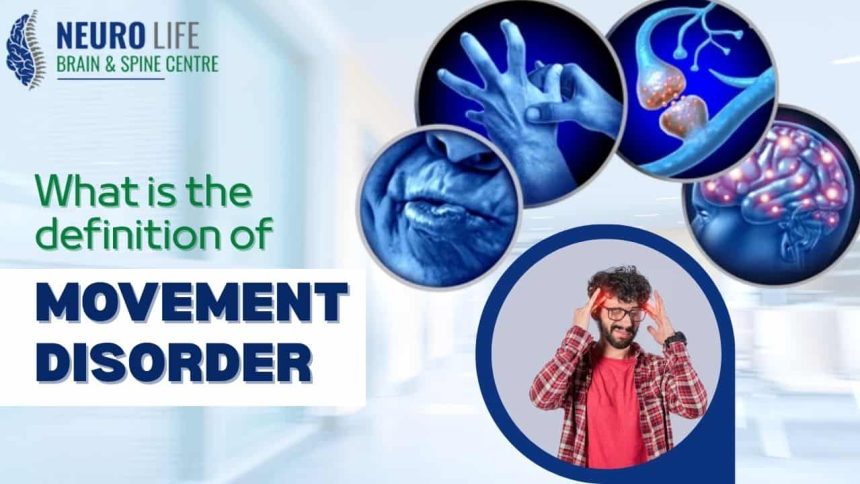
Your hands shake when you’re trying to button your shirt. Simple tasks that used to take seconds now require concentration and effort. You tell yourself it’s just stress or aging. But deep down, you know something feels different. Maybe it’s time to consult a neurologist doctor in Ranchi or wherever you’re located, because ignoring these signs rarely leads to anything good.
Movement disorders affect millions of people worldwide. Parkinson’s disease is the most recognized one, but it’s not the only condition that robs people of their physical control. Understanding these disorders can make the difference between early treatment and years of suffering. That’s why seeing a neurologist doctor in Ranchi or your local area becomes necessary when symptoms persist beyond a few weeks.
What Is Parkinson’s Disease?
Parkinson’s is a brain disorder that affects movement. The brain stops producing enough dopamine, a chemical that helps control muscle activity. Without dopamine, movements become stiff and slow.
The disease progresses gradually. Most people don’t notice symptoms until about 60 to 80 percent of dopamine-producing cells are already damaged. That’s the scary part. By the time you realize something is wrong, the disease has been working silently for years.
Parkinson’s affects about 1 million people in India alone. Men develop it slightly more often than women. Age is the biggest risk factor, with most diagnoses happening after 60. But younger people get it too, sometimes in their 40s or even 30s.
Recognizing the Early Signs
Tremors are what most people associate with Parkinson’s. A slight shaking in one hand, often while resting. It might start so subtly that family members notice before you do.
But tremors aren’t the only warning sign. Stiffness in the arms, legs, or torso happens frequently. Muscles feel tight and resist movement. Getting up from a chair becomes harder. Walking feels like you’re moving through water.
Slow movement, called bradykinesia, creeps in gradually. Tasks that were automatic now require conscious thought. Writing gets smaller. Your face becomes less expressive. Blinking decreases.
Balance problems appear as the disease progresses. People start shuffling their feet instead of taking normal steps. Falls become more common, and that’s when injuries happen.
Sleep disturbances often show up early. Restless nights, vivid dreams, and sudden movements while sleeping all signal potential problems. Many people dismiss these as unrelated to anything serious. They’re not.
Other Movement Disorders to Know About
Parkinson’s isn’t the only condition that disrupts normal movement. Essential tremor causes shaking, usually in the hands, but it’s different from Parkinson’s. The tremor happens during action, not at rest. Holding a cup or writing triggers it.
Dystonia forces muscles into repetitive, twisting movements. The neck might turn to one side involuntarily. Eyelids might close on their own. These spasms can be painful and embarrassing in social situations.
Huntington’s disease is genetic and causes jerky, uncontrolled movements. It also affects thinking and behavior. If a parent has it, children have a 50 percent chance of inheriting it.
Ataxia affects coordination. Walking becomes unsteady. Speech gets slurred. Fine motor skills deteriorate. Reaching for objects becomes a challenge.
When Should You See a Neurologist?
Waiting and hoping that symptoms disappear rarely works. If you’re experiencing persistent tremors, stiffness, or slow movements, get evaluated. Early diagnosis opens up more treatment options.
Finding a neurologist in Ranchi or your local area who specializes in movement disorders makes sense. These specialists understand the subtle differences between conditions. A general physician might miss early signs or misdiagnose the problem.
Don’t wait for symptoms to become severe. People often delay seeking help because they fear the diagnosis. That fear keeps them from treatments that could improve their quality of life right now.
Living With Movement Disorders
A diagnosis changes everything. Plans for retirement shift. Hobbies might need modification. Relationships face new challenges. The emotional toll can be as heavy as the physical symptoms.
Depression affects about 50 percent of Parkinson’s patients. The brain changes that cause movement problems also affect mood. Add the stress of dealing with a progressive disease, and it’s no surprise that mental health suffers.
Support groups provide a connection with others who understand. Sharing experiences and coping strategies helps people feel less isolated. Online communities exist when local groups aren’t available.
Exercise matters more than most people realize. Regular physical activity slows disease progression. Dance, tai chi, and boxing programs designed for Parkinson’s patients show real benefits. Movement is medicine, even when moving is difficult.
Taking the Next Step
Ignoring symptoms won’t make them disappear. They’ll get worse, and treatment becomes more complicated as the disease advances. Every month you delay is a month of potential improvement lost.
Your independence matters. The ability to dress yourself, eat without help, and walk without falling determines quality of life. Movement disorders steal these abilities slowly, but early treatment can preserve them longer.
Fear of diagnosis keeps many people from seeking help. But knowing what you’re dealing with is better than living with uncertainty and watching yourself decline without understanding why. Knowledge gives you options. Ignorance just gives you regret later.
Movement disorders are serious conditions that require professional care. The shaking, stiffness, and loss of coordination you’re experiencing won’t fix themselves. They need medical attention from someone who knows how to treat them properly.