
Transit Control Room Operations: Managing Metropolitan Transit Systems
When everything works cohesively, metropolitan transit systems function as highly choreographed operations. Trains arrive on time. Passenger doors open and close properly. Signals switch seamlessly between tracks. Station clocks synchronize across the entire network.
When systems fail, this choreography turns into chaos. Doors jam, switches malfunction, and lines stall. Thing grind to a halt, and passengers are frustrated.
Transit control systems must monitor it all and respond to unexpected incidents. These control rooms are literally the central nervous system of modern transit networks, processing vast amounts of real-time data and making critical decisions that keep cities moving.
The Modern Transit Operations Center
Managing a metropolitan transit system from a centralized operations center is extraordinarily complex. Controllers must balance competing priorities, respond to rapidly changing conditions, and coordinate with dozens of departments and external agencies.
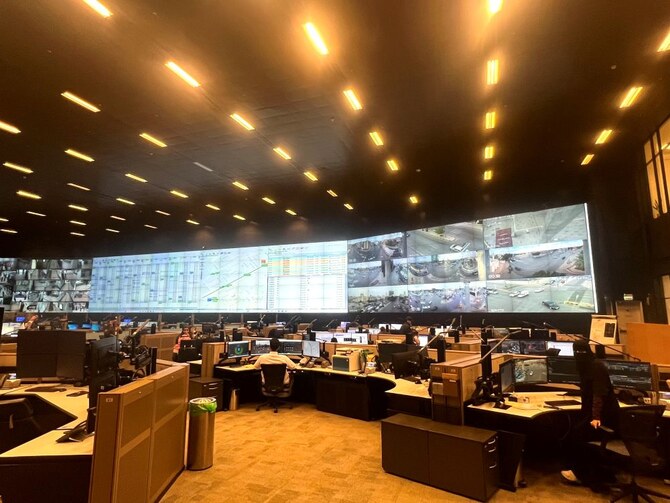
Transit control rooms have evolved dramatically over recent decades. What once were basic dispatch offices with telephones and paper schedules are now sophisticated command centers equipped with video walls, real-time tracking systems, and integrated communication platforms. Controllers have unprecedented visibility into every aspect of network operations, from individual train locations to station crowd levels to equipment status throughout the system.
Today, these transit control centers are undergoing a transformation. Investments in modern intelligent transportation systems is expected to increase to $44 billion in 2026, driven by urbanization, increasing ridership demands, and the need to maximize efficiency from existing infrastructure.
Transit Control Centers: Technology Infrastructure
Modern operations centers integrate data from hundreds or thousands of sources to create a unified operational picture, including:
- Networked cameras providing visual confirmation of conditions at stations and on tracks.
- Tracking systems showing real-time location for trains
- Sensors monitoring everything from platform temperatures to equipment vibrations.
- Power management system monitoring electrical loads
- Automatic train protection (ATP) systems monitoring speeds and preventing collisions.
All this information flows into central displays where controllers can quickly assess system status and receive automated alerts for out-of-the-ordinary situations.
Integrated Control Systems
SCADA systems connect operations centers to field equipment across the network.
Controllers can remotely operate track switches, adjust ventilation, manage power distribution, control platform doors, and so much more. This integration eliminates the need for staff at every location while enabling rapid response to changing conditions.
Data Visualization
Transit control rooms can be high-tech centers, conjuring up visions of NASA control rooms. Large video walls, multiple data streams, and a mass of information. Yet, operators need to be able to tell at a glance when something’s wrong. The complexity of managing metropolitan transit systems requires sophisticated visualization tools.
Operators need:
- Color-coded displays for changing conditions
- Automated alerts for anomalies
- Customizable dashboards
- Dynamic displays enabling drill-down analysis
Daily Operations Management
During normal operations, controllers focus on maintaining smooth service across the network. They monitor train spacing to ensure consistent headways, adjusting dispatch times when gaps develop. Real-time passenger counts help identify crowding issues before they become critical. Performance dashboards track on-time performance, alerting controllers when delays begin propagating through the system.
Operations centers serve as the coordination point for all of these systems, and they coordinate with maintenance and safety departments to schedule service and track work. Transit control centers provide the data needed to communicate efficiently with maintenance, train operators, station managers, and others so that everyone is aware of current conditions and activities.
Proactive Optimization and Incident Response
It’s not all about reacting to problems, however. The best transit control systems allow operators to optimize performance proactively. By identifying patterns before they become problems, operators can intervene to keep things moving efficiently and avoid major disruptions.
When incidents occur, seconds matter. Modern monitoring systems allow for automatic incident alerts for unusual conditions like stopped trains, smoke detection, or power failures. Controllers can quickly assess the situation, classify its severity, and activate appropriate response protocols.
Coordinated Response
When there is a serious incident, it likely requires coordination with emergency services, transit police, maintenance crews, and management. Operations centers serve as the communication hub, ensuring responders have accurate, timely information.
Controllers can direct trains away from affected areas, arrange bus bridges when necessary, and keep passengers informed throughout the incident.
Service Restoration
Once safety concerns are addressed, focus shifts to restoring service. Controllers analyze the data to return to normal operations. This might involve single-tracking around disabled trains, adjusting service patterns, or implementing contingency schedules.
Designing Metropolitan Transit System Control Centers
All of this requires robust engineering to make everything work together seamlessly to provide rock-solid automation, alerting, and data streams so operators can make the right decisions at exactly the right time, making sure choreography doesn’t turn into chaos.
Pacific Blue Engineering brings extensive experience to engineering and optimizing transit operations centers. We understand the unique requirements of control room environments and the technologies that enable effective system management.
Contact Pacific Blue Engineering today to discuss how we can support your operations center needs.