

Production managers face mounting pressure to justify every machine investment, yet most crimping equipment sits isolated from digital systems driving modern factories. This disconnect creates blind spots in production visibility, making it nearly impossible to track efficiency losses or identify bottlenecks before costly delays cascade. Smart automation transforms standalone machines into connected data sources feeding critical business decisions.
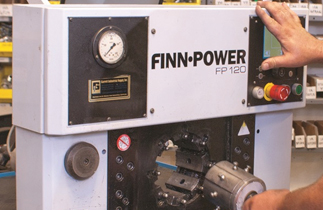
The shift towards connected manufacturing has exposed troubling realities for operations relying on traditional crimping setups. A Finn Power crimping machine equipped with digital integration capabilities communicates production metrics directly to planning systems, capturing cycle times, fault codes, and quality parameters invisible with conventional equipment. Without this data layer, you’re running blind, making decisions based on outdated assumptions rather than actual machine performance.
Why Modern Manufacturing Demands Connected Machines
Visibility Gaps Cost More Than Equipment Upgrades: Manufacturing Execution Systems and ERP platforms have become the nervous system of competitive production facilities, yet standalone machines create information silos undermining these investments. When crimping operations can’t feed real-time data into Manufacturing Execution Systems, you lose the ability to respond quickly to quality issues or schedule changes. This lag between actual conditions and management awareness means problems compound before anyone notices.
Decision-Making Delays Translate to Market Disadvantages: Production environments relying on manual data collection or end-of-shift reporting can’t keep pace with facilities where machine status updates flow automatically into planning systems. Time spent walking the floor checking machine status or waiting for shift reports represents lost opportunities to optimise schedules, redistribute work, or address emerging quality trends. Your competitors aren’t waiting for end-of-day summaries.
Scalability Becomes Nearly Impossible Without Integration: The most overlooked cost of disconnected equipment shows up when you try adding capacity or replicating successful processes across multiple lines. Without standardised data flowing from each machine, you can’t accurately benchmark performance or identify which operational variables actually drive results. Every new machine becomes another data island requiring separate monitoring approaches.
How Data-Ready Crimping Machines Fit Into Smart Factories
Digital Protocols Enable Seamless System Communication: Modern crimping equipment designed with industrial communication protocols can exchange information with existing factory systems without requiring wholesale infrastructure changes. These machines speak the same digital language as your MES platforms, allowing production status, cycle counts, and alert conditions to flow automatically into dashboards your team already uses. Integration doesn’t demand replacing functioning systems or retraining staff on new interfaces.
Real-Time Status Updates Transform Production Control: When machine data reaches supervisors and planners within seconds rather than hours, the entire production rhythm changes:
- Immediate fault notifications allow maintenance teams to respond before minor issues escalate into line stoppages affecting downstream operations.
- Live cycle count tracking reveals actual throughput versus planned rates, exposing scheduling assumptions that don’t match floor reality.
- Performance pattern analysis identifies which operators, shifts, or product configurations consistently deliver optimal results, enabling knowledge transfer and process standardisation.
- Quality parameter monitoring catches specification drift before entire batches move outside acceptable tolerances, reducing scrap and rework costs substantially.
Existing Workflows Remain Intact During Implementation: The fear that digital integration requires disruptive overhauls often delays necessary upgrades, but data-ready machines typically connect through standard industrial networking without forcing changes to proven production sequences. Your operators continue using familiar controls and procedures whilst machines simultaneously feed performance information to back-end systems. This parallel operation means gaining visibility without sacrificing muscle memory your team developed.
Turning Machine Data Into Operational Advantages
Lean Manufacturing Principles Gain Measurable Teeth: Abstract concepts like continuous improvement and waste reduction become concrete when machine data reveals exactly where time and materials disappear in your process. You can quantify differences between theoretical cycle times and actual performance, identifying whether delays stem from material handling, setup procedures, or equipment capabilities. This specificity allows targeted improvements rather than broad efficiency initiatives.
Traceability Requirements Shift From Burden to Advantage: Industries facing strict documentation standards often view compliance as pure overhead, but integrated crimping machines automatically capture production history that auditors and customers demand. Each crimped assembly carries digital records of machine settings, operator identification, material lot numbers, and quality parameters without requiring manual documentation. This automated traceability satisfies regulatory requirements whilst accelerating root cause investigations.
Predictive Approaches Replace Reactive Maintenance Patterns: Traditional preventive maintenance schedules based on runtime hours or production volumes often result in either premature part replacement or unexpected failures between service intervals. Machine data revealing actual wear patterns, force variations, and performance degradation allows maintenance planning based on equipment condition rather than arbitrary schedules. Cost savings from avoiding premature replacements and unplanned downtime typically justify integration investments within the first year.
Conclusion
Connected crimping equipment represents a shift from viewing machines as isolated production tools to recognising them as critical data sources informing every operational decision. The performance visibility, traceability automation, and predictive capabilities that integration enables aren’t luxuries for future consideration; they’re becoming baseline expectations in competitive manufacturing environments. Review your current crimping operations to identify which visibility gaps limit your responsiveness and precision, then explore equipment options closing those gaps through proven digital integration.