

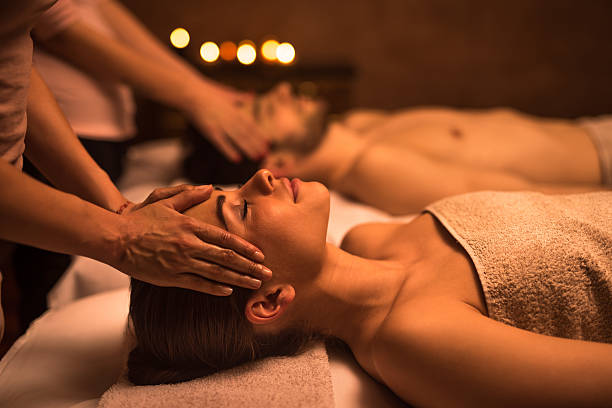
Booking a massage for a couple sounds simple enough, but the available options can quickly become overwhelming. You might think any massage will do the trick, yet the experience varies wildly depending on what you choose. Picking the wrong style could mean missing out on the relaxation or relief you’re both craving for.
When you start searching for couples massage near me, you’ll notice dozens of studios offering different services and techniques. The real question isn’t just finding a convenient location—it’s understanding which massage style aligns with what you and your partner actually need. Some sessions focus purely on gentle relaxation, while others target deep muscle tension that’s been building for months.
Why Every Massage Technique Feels Completely Different
Swedish Techniques for Pure Relaxation: This classic approach uses long, flowing strokes combined with gentle kneading to ease surface tension. The pressure stays light to moderate, making it perfect for couples who simply want to unwind without dealing with intense muscle work. You’ll both leave feeling calm and refreshed rather than worked over.
Deep Tissue Work for Chronic Tension: If either of you deals with persistent knots or tightness, deep tissue therapy goes after those problem areas with focused pressure. The therapist works slowly through muscle layers, which can feel uncomfortable at first but brings lasting relief. This isn’t the choice for a purely romantic, gentle experience—it’s therapeutic and sometimes a bit intense.
Aromatherapy to Enhance the Mood: Adding essential oils transforms a standard massage into something more sensory and memorable. Lavender promotes deeper relaxation, while eucalyptus can clear your head and ease breathing. The scents linger on your skin afterward, extending the calming effects beyond the session itself.
Decoding What You Both Actually Need Right Now
Think About Your Stress Levels: When daily tension has both of you wound tight, prioritize techniques that activate the parasympathetic nervous system and lower cortisol. Swedish massage excels here, creating that floaty, peaceful state where worries fade into the background. Deep tissue might add more intensity than stressed bodies can handle comfortably.
Consider Physical Pain or Discomfort: Athletic partners or anyone dealing with back pain, shoulder tension, or workout soreness needs targeted therapeutic work. Trigger point therapy addresses those specific problem spots that won’t release with lighter pressure. You might book different styles in the same room—one person getting deep tissue while the other enjoys Swedish.
Romance and Connection Matter Too: Some couples want the experience to feel special and intimate rather than purely clinical. Aromatherapy sessions often include dim lighting, soothing music, and synchronized techniques that create a shared moment. The therapists might start and end together, making it feel like a coordinated experience rather than two separate massages happening nearby.
When Pressure Becomes a Problem Instead of a Solution
Testing Your Tolerance First: If you’ve never had deep tissue work, jumping straight into an intense couples session could backfire. One person might love firm pressure while the other finds it painful, which creates an awkward situation. Trying individual sessions first helps you both understand what feels good versus what feels like too much.
Speaking Up During the Session: Good therapists encourage you to communicate if something doesn’t feel right, but many people stay quiet to avoid seeming difficult. Your partner might be thinking the same thing, suffering through pressure that’s too intense or too light. A quick word to adjust makes the difference between a mediocre experience and one that actually delivers results.
Different Bodies Need Different Approaches: Even couples who share similar lifestyles may need completely different massage styles. Someone with fibromyalgia or chronic pain conditions might require gentler techniques, while an athlete benefits from aggressive muscle work. Choosing separate styles in a couples session is perfectly normal and often smarter than forcing yourselves into the same treatment.
The Booking Details That Make or Break Your Session
Duration and Timing: Sixty-minute sessions work for basic relaxation, but ninety minutes allows therapists to address specific issues without rushing. Booking too short a session means they’ll barely scratch the surface before time runs out. Consider scheduling during off-peak hours when studios are quieter and therapists aren’t rushing between appointments.
Cost versus Value: Cheaper sessions often mean rushed therapists, smaller rooms, or less experienced practitioners. You’re not just paying for time on the table—you’re paying for expertise and an environment that actually promotes relaxation. Rock-bottom prices usually indicate corners being cut somewhere in the experience.
Special Requests and Customization: Most studios accommodate requests like focusing on certain areas, adjusting room temperature, or switching techniques mid-session. You might want to start with aromatherapy to set the mood, then transition into deeper work for problem areas. Just ask when booking rather than assuming they’ll read your mind.
Small Preparations That Amplify Your Results
Preparation Makes a Difference:
- Arrive hydrated and avoid heavy meals right before, as full stomachs can make lying face-down uncomfortable.
- Skip caffeine for a few hours beforehand since it counteracts the relaxation response you’re trying to trigger.
- Shower beforehand if you’ve been at the gym or working outside—therapists appreciate it, and you’ll feel more comfortable.
- Remove jewelry and wear comfortable clothes that are easy to change out of quickly.
Making Your Next Booking Count
Choosing the right massage experience comes down to honest communication about what you both need right now. Maybe one session focuses on pure relaxation while the next tackles those nagging muscle problems that won’t quit. You’ll learn what works through trial and error, refining your preferences with each booking.
Start by identifying your primary goal—stress relief, pain management, or quality time together—then select techniques that support that outcome. Don’t settle for whatever happens to be cheapest or closest. A thoughtfully chosen massage leaves you both feeling genuinely better, while a mismatched session just wastes time and money you could have spent on something more effective.
