

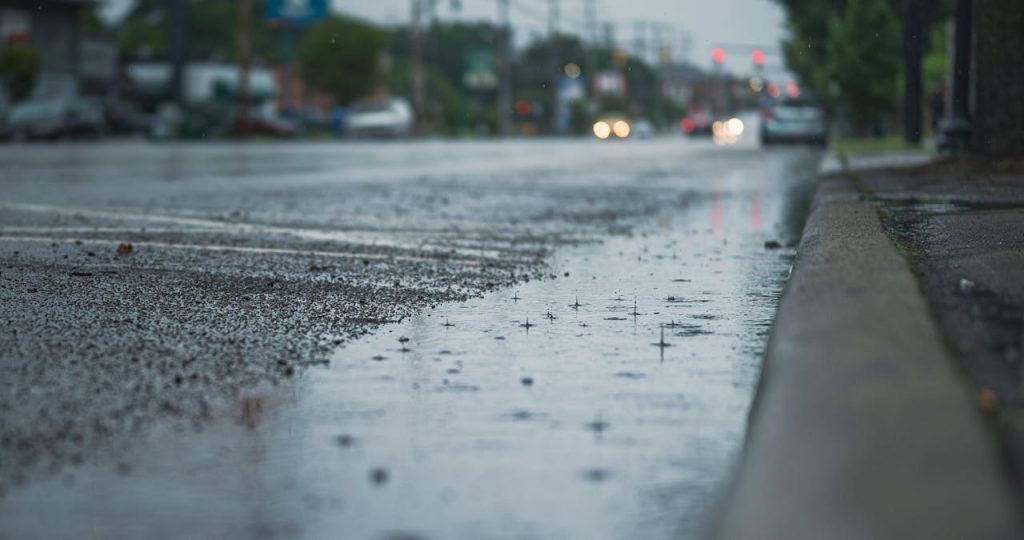
South Florida’s April has long been known for its relative calm, offering a brief pause between the winter dry spell and the summer hurricane threats. This year, however, the season delivered an unrelenting assault. A persistent weather system, driven by stable ENSO patterns and warmer-than-usual Gulf of America waters, has unleashed more than three times the normal rainfall across Miami-Dade, Broward, and Palm Beach counties since the start of the month. What residents initially welcomed as a break from drought has instead triggered widespread water intrusion, saturating roofs, walls, and foundations and setting the stage for a rapid, unseen mold invasion.
Weather Service records paint a stark picture. Average April totals for the tri-county area usually range from 2.5 to 3.7 inches. Yet many communities have already logged 8 to 12 inches, with some spots experiencing even heavier bursts from slow-moving storms. These were not the flashy, high-wind events of hurricane season. Instead, day after day of steady, penetrating downpours quietly exposed vulnerabilities in outdated drainage networks and aging structures, transforming ordinary homes into environments ripe for microbial growth.
The true crisis lies not in the rain itself, but in what followed. Mold spores thrive naturally in the region’s warm, humid climate and need little more than lingering moisture to multiply rapidly. Experts in mold remediation note that visible colonies can take hold within 24 to 48 hours of any undetected leak or seepage. In the days after these relentless April storms, species such as black mold have proliferated inside attics, beneath flooring, within drywall cavities, and along baseboards—hidden zones that often escape notice until a faint musty smell or breathing difficulties emerge.
Healthcare providers across the region are reporting a noticeable uptick in respiratory complaints linked to indoor air quality. Cases of worsened asthma, seasonal allergies turning severe, and inflammation of the lungs have risen among residents whose properties suffered only moderate dampness. Young children, older adults, and anyone with existing health vulnerabilities appear most affected, as this threat develops gradually behind closed doors rather than through headline-grabbing floods.
Financial repercussions are adding another layer of strain. Claims processors have seen a sharp increase in filings that straddle unclear policy categories—falling short of full storm coverage yet exceeding routine maintenance. Many homeowners are left shouldering steep deductibles or partial reimbursements. South Florida mold remediation companies such as Mold Only are operating at full capacity well into summer, with standard jobs for modest infestations averaging between $2,500 and $6,000. More extensive repairs in vintage single-family houses or smaller condo buildings frequently climb past $20,000 after removing compromised materials like insulation, cabinetry, and subfloors.
Consider the situation in Pompano Beach, where a retired couple living in a 1970s ranch-style home noticed minor leaks around their sliding patio doors after several days of heavy rain. They mopped up surface water promptly, but weeks later their grandchildren began complaining of constant sniffles and nighttime coughing during visits. A professional mold inspection uncovered thick mold layers spreading through the exterior walls and into the HVAC ductwork. Beyond the structural fixes, the family had to discard cherished heirlooms, including vintage books and family photo albums ruined by hidden moisture.
Another case in Hollywood involved a young family whose toddler’s bedroom developed persistent damp spots near the windowsill. What started as a minor puddle escalated into a full-scale mold problem in the insulation, prompting urgent medical visits for the child’s wheezing episodes. The parents faced the difficult decision to temporarily relocate while crews stripped and rebuilt the affected room.
This year’s timing has amplified the problem. Much of South Florida’s housing inventory dates back to an era when the local climate was more predictable and less extreme. Rising sea levels have lifted local water tables, limiting how much rain the ground can naturally absorb. Common features like older flat roofs, unsealed window frames, and basic vapor barriers—standard in mid-20th-century builds—have proven ill-equipped for today’s heavier precipitation.
Investigators specializing in water intrusion often trace issues to postponed upkeep rather than poor initial construction, but the recent storms have converted small oversights into expensive emergencies almost instantly.
Local governments have stopped short of declaring a formal disaster, yet service centers are logging far more requests for flooded roadways and ground subsidence reports. Broward officials are accelerating reviews of drainage systems in vulnerable zones, while Miami-Dade leaders are advising residents to photograph and log every instance of damage in hopes of qualifying for future aid. Still, authorities acknowledge that individual property owners must shoulder much of the response on their own.
The pattern signals a preview of shifting seasonal norms. Climate projections indicate that South Florida’s shoulder seasons will grow increasingly unpredictable, with moderate rain events delivering the volume once reserved for major storms. Properties constructed decades ago are now confronting conditions their designers never anticipated.
Fortunately, residents can take proactive measures. Restoration specialists stress the importance of removing all standing water right away, arranging professional drying and dehumidification no later than two days after any intrusion, and obtaining independent air-quality assessments before any rebuilding begins. Straightforward preventive actions—such as maintaining clear gutters and downspouts, applying fresh sealant to roof vents and flashing, and raising air-conditioning equipment—can significantly reduce future exposure. Even so, many households juggling high insurance rates and everyday expenses find themselves weighing remediation costs against other pressing needs.
With additional showers possible in the coming days, South Florida is confronting a sobering reality. The area’s trademark humidity has always been part of its appeal, but consistent dryness can no longer be taken for granted. April’s prolonged soaking serves as an unmistakable alert, etched in damp patches and elevated spore levels. The region’s residents, property managers, and support systems now face a critical choice: address these emerging risks head-on, or risk seeing today’s contained issues evolve into tomorrow’s widespread public health and financial challenge.