

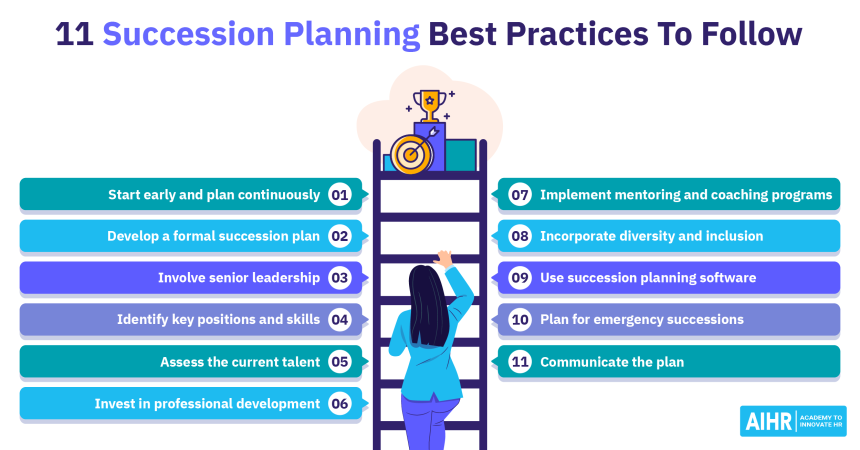
Succession planning is not just a backup plan. It is a smart, forward-looking strategy that helps businesses stay stable, competitive, and confident when leadership changes happen. Whether it is a planned retirement or an unexpected departure, having the right people ready makes a real difference.
Why Succession Planning Matters
Succession planning helps businesses prepare for change instead of reacting to it. Leadership transitions are inevitable, and without a plan, they can cause confusion, low morale, and stalled progress. A clear succession planning strategy keeps operations moving and protects long-term goals.
It also sends a strong message to employees and stakeholders. When people see that leadership is being developed from within, it builds trust and confidence in the company’s future.
The Risks of Ignoring Succession Planning
Poor or nonexistent succession planning can create serious problems. When key leaders leave without replacements, teams may struggle with direction and decision-making. Productivity can drop, and uncertainty can spread quickly.
Over time, this can hurt employee retention and weaken company culture. High-potential employees may leave if they do not see growth opportunities. In competitive markets, that loss of talent can be costly.
How Succession Planning Strengthens Company Culture
Good succession planning does more than fill roles. It shows employees that their growth matters. When people see clear paths for advancement, they are more engaged and motivated.
Developing future leaders through training and mentorship builds loyalty and reduces turnover. It also creates a culture of learning, where employees feel supported and invested in the company’s success.
Identifying Key Roles and Future Leaders
Mapping Your Talent
The first step in succession planning is understanding your current workforce. This means reviewing skills, performance, and career goals across the organization. Knowing who does what, and who could grow into larger roles, helps leaders plan with clarity.
Regular performance reviews, feedback sessions, and open career conversations all help build a clear picture of available talent.
Spotting Leadership Potential
Future leaders are not always the top performers. Leadership potential often shows up as adaptability, emotional intelligence, and problem-solving ability. Giving employees stretch assignments or project leadership roles can reveal who is ready for more responsibility.
It is also important to look broadly and inclusively. Diverse perspectives strengthen leadership teams and drive better decisions.
Evaluating Skills for the Future
Succession planning should focus on future needs, not just current roles. Businesses should assess both technical skills and soft skills like communication and collaboration.
Once gaps are identified, targeted training and development plans can prepare employees for what comes next. This keeps the organization flexible and ready for change.
Building a Strong Succession Plan
Creating a Clear Roadmap
An effective succession plan starts with identifying critical roles and potential successors. From there, organizations should set timelines and development milestones to track progress.
Clear communication is key. Employees should understand how succession planning works and how they can take part. Transparency reduces anxiety and encourages engagement.
Including Diversity and Inclusion
Succession planning works best when it is inclusive. Organizations should actively develop talent from different backgrounds and experiences. This creates stronger leadership teams and a more innovative culture.
Reviewing processes for bias and offering equal access to mentorship and development helps ensure fairness and long-term success.
Staying Flexible
Business needs change, and succession planning should change with them. Market shifts, growth, or restructuring can all affect leadership needs.
Reviewing and updating the succession plan regularly helps keep it relevant. Scenario planning can also prepare organizations for unexpected changes.
Making Succession Planning Work in Practice
Gaining Stakeholder Support
Successful succession planning needs buy-in from leadership and employees alike. Senior leaders should clearly explain why the plan matters and how it benefits everyone.
Inviting feedback and encouraging discussion helps build trust and shared ownership of the process.
Developing Future Leaders
Training and development are the backbone of succession planning. A mix of formal training, mentoring, coaching, and hands-on experience works best.
Learning directly from experienced leaders helps future leaders gain confidence and practical insight.
Measuring and Improving the Plan
Succession planning should be tracked and reviewed like any other strategy. Metrics such as internal promotions, retention rates, and engagement surveys provide useful insight.
Regular reviews allow organizations to improve their approach and adjust to new challenges. Celebrating successful transitions reinforces the value of succession planning and keeps it a priority.
Final Thoughts
Succession planning is not a one-time task. It is an ongoing strategy that protects stability, builds leadership, and supports long-term growth. By identifying talent early, investing in development, and staying flexible, organizations can create a strong leadership pipeline that is ready for whatever comes next.
Done right, succession planning becomes a powerful advantage, not just a safety net.