

Walking into a tattoo studio for the first time can feel overwhelming, especially when pain from the needle becomes a real concern. Many people delay or avoid getting meaningful body art simply because they worry about discomfort. The good news is that modern pain management solutions are available to help you feel more confident and relaxed during your tattoo appointment.
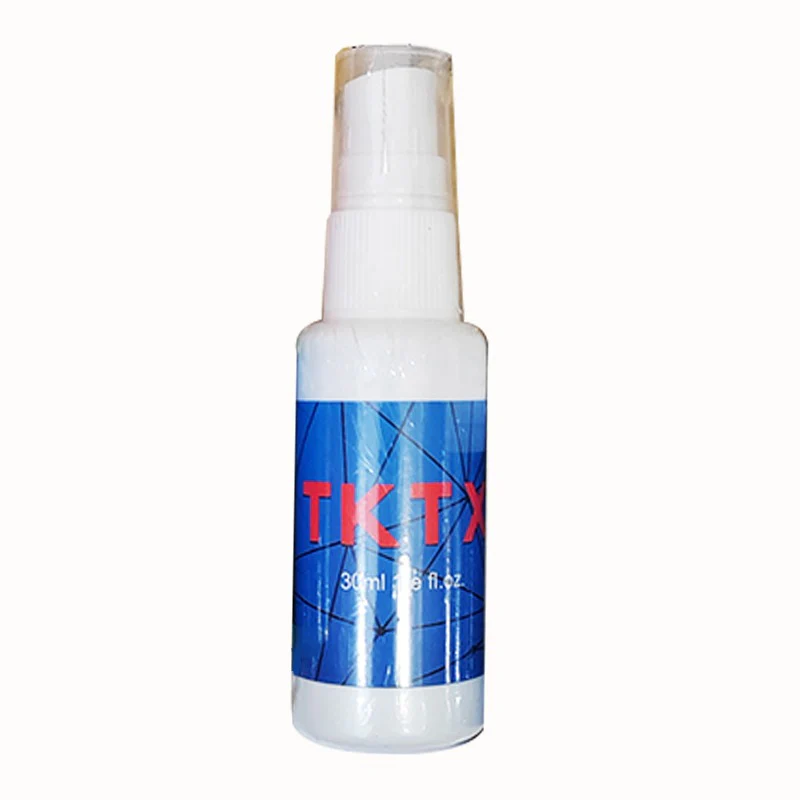
Tattoo numbing spray offers a practical way to reduce sensation before and during your tattoo session, giving nervous clients the reassurance they need to move forward with their inking plans. This type of product works by temporarily blocking pain signals in the treated area, creating a more comfortable experience. When used correctly and combined with proper preparation, numbing spray can transform what might feel like an intimidating process into something far more manageable and less stressful.
Preparing Your Skin Before the Appointment
Hydration Starts Days in Advance: Proper skin preparation begins well before you arrive at the studio, not just hours beforehand. Drinking plenty of water in the days leading up to your appointment helps maintain skin elasticity and responsiveness. Well-hydrated skin accepts ink more evenly and tends to experience less irritation. Start increasing your water intake at least three days before your scheduled session for optimal results.
Moisturise Without Overdoing It: Keeping your skin moisturised matters, but balance is essential when planning to use numbing products. Apply a gentle, fragrance-free moisturiser daily but avoid heavy creams on the day of your appointment. Overly greasy or thick products can create a barrier that interferes with numbing spray absorption. Your tattoo artist will appreciate working on clean, healthy skin that’s neither too dry nor excessively oily.
Understanding Application Timing and Technique
Timing Makes a Significant Difference: Applying numbing spray at the right moment can determine how effective it becomes during your session. Most products require 20 to 30 minutes to take full effect, though some may need longer depending on their formulation. Read the specific instructions provided with your chosen product carefully. Arriving at your appointment with enough time to apply and wait ensures you’ll experience maximum benefit when the needle work begins.
Proper Application Technique: The way you apply numbing spray affects how well it works across the targeted area. Hold the bottle at the recommended distance and apply an even layer without saturating the skin. Some people make the mistake of spraying too much, thinking more product equals better results. Actually, a topical anaesthetic works best when applied according to manufacturer guidelines, as excessive amounts can run off or create an uneven numbing effect.
Communication With Your Tattoo Artist
Disclose Your Plans to Use Numbing Products: Always inform your tattoo artist before your appointment that you intend to use a numbing spray, not after you’ve arrived. Some artists have specific preferences or protocols regarding pain management products. They might ask you to arrive early for application or provide guidance on which products work best with their techniques. This conversation prevents misunderstandings and allows your artist to plan accordingly for your session.
Discuss Reapplication During Longer Sessions: Numbing spray typically provides temporary relief that may diminish during extended tattoo sessions. Ask your artist whether reapplication is possible and practical during breaks. The effectiveness of patch testing beforehand becomes even more relevant for longer appointments where you might need multiple applications. Your artist can work with you to develop a pain management strategy that keeps you comfortable throughout the entire process without compromising the quality of their work.
Managing Expectations During the Session
What you should realistically expect from numbing spray depends on several factors that vary between individuals:
- Complete pain elimination is rare, though significant reduction in sensation occurs for most people using quality products correctly.
- Different body areas respond differently to numbing solutions, with bonier locations often requiring additional pain management strategies.
- The depth and style of your tattoo influences how much discomfort you might experience despite using numbing spray.
- Individual pain tolerance varies greatly, meaning what feels comfortable for one person might still feel intense for another.
Aftercare Considerations With Numbing Products
Watch for Unexpected Skin Reactions: While numbing sprays are generally safe, monitoring your skin after use remains important for identifying any adverse responses. Redness that persists beyond a few hours, unusual itching, or swelling might indicate sensitivity to ingredients. Take photos of the area at different stages if you notice anything concerning. These visual records help healthcare providers assess whether you’re experiencing a normal healing response or something requiring medical attention.
Conclusion
Taking the step to get your first tattoo becomes much less daunting when you understand how numbing spray can support you through the experience. Preparation, proper communication with your artist, and realistic expectations about pain management all contribute to a positive outcome. Remember that your comfort matters, and using these products doesn’t diminish your commitment to getting meaningful body art. Research quality options, follow application guidelines carefully, and trust the process to achieve the tattoo you’ve been imagining without unnecessary stress.