

Productivity often rises or falls based on the environment people work in. Tools, layout, support, and daily routines shape focus more than long to-do lists ever will. Across the Philippines, many teams now question traditional offices that demand time, setup, and constant management.
In this blog, we will explain how serviced offices support better workdays through practical design and built-in support. We will talk through real factors that affect attention, energy, and output, showing how the right workspace can quietly improve how teams perform together.
How Serviced Offices Create Conditions for Better Productivity
Productivity improves when teams spend less time managing their workspace and more time doing meaningful work. Serviced offices are built to remove friction from everyday tasks.
Reduced Administrative Load and Fewer Daily Distractions
Administrative work drains attention faster than most people expect. Coordinating cleaners, handling repairs, chasing internet providers, or managing utilities interrupts focus throughout the week. Each small issue pulls someone away from actual work.
Serviced offices remove much of this background noise. On-site teams handle maintenance, reception, and daily operations. When something breaks, someone else fixes it. When supplies run low, restocking happens quietly.
Teams notice the difference in subtle ways. Mornings start with clear minds, not checklists of chores. Afternoon slumps hit less often because energy stays steady. Leaders redirect saved effort toward mentoring or brainstorming, fostering growth without added headcount.
This setup protects attention. Teams stay focused longer because fewer interruptions break their rhythm. Over time, this steady flow supports better output without extra pressure or longer hours.
Ready-to-Use Workspaces That Support Immediate Focus
Starting work should not involve assembling desks or troubleshooting routers. Delays during setup often carry into daily routines, slowing momentum before it even begins.
Serviced offices arrive ready. Furniture, meeting rooms, internet, and utilities work from day one. Teams can sit down and start tasks without waiting for weeks of preparation.
This immediate readiness matters during onboarding or project launches. New hires settle faster. Project teams stay focused on deadlines instead of logistics. A workspace that works instantly helps teams maintain energy during critical phases.
Strategic Location and Time Efficiency
Location affects productivity in ways people rarely measure. Long commutes drain energy before work even begins. Unreliable routes increase stress and delays, which disrupts collaboration.
Serviced offices often sit in central business districts with strong transport links. Shorter travel times help teams arrive with more focus. Meetings start on time more often. Workdays feel less rushed. As a result, teams build stronger habits around this reliability. Predictable arrivals mean consistent start times for stand-ups or creative sessions.
In some cases, choosing an office in Makati supports this efficiency. Central access, public transport, and nearby services reduce wasted hours. Over weeks and months, saved time turns into steadier performance and fewer burnout signs.
Thoughtful Design That Encourages Better Work Habits
Design shapes behavior. Poor lighting strains the eyes. Uncomfortable chairs shorten attention spans. Loud spaces disrupt concentration. These issues slowly chip away at productivity.
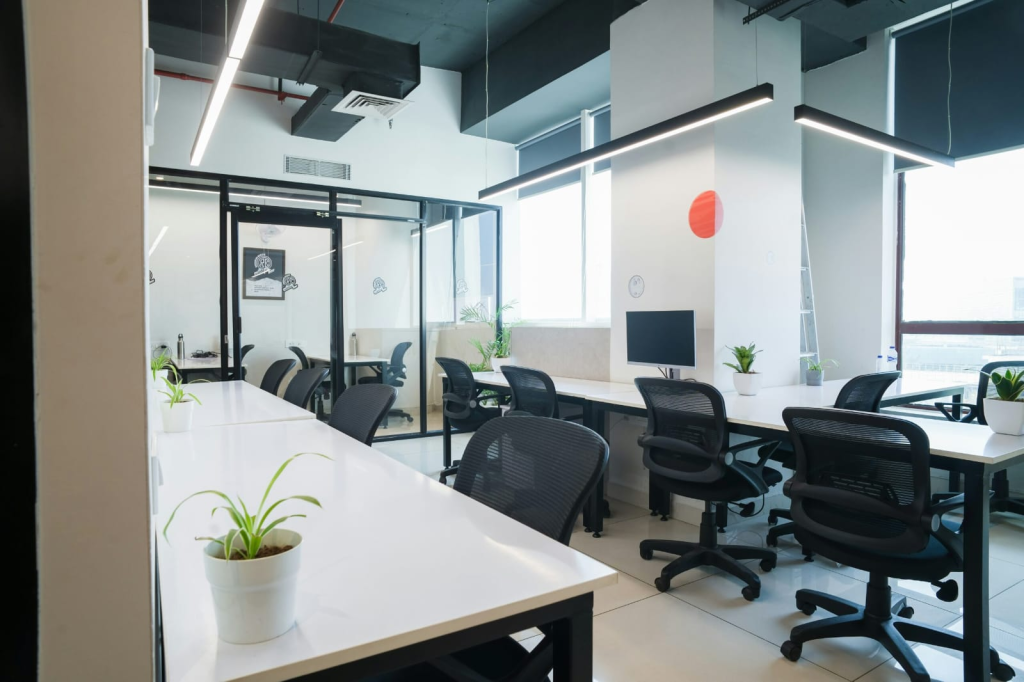
Serviced offices usually invest in ergonomic furniture, balanced lighting, and acoustic planning. Quiet zones support focused work. Meeting rooms contain noise instead of spreading it across the floor.
Good design also encourages movement. For instance, breakout areas give people space to reset. Small changes like this help teams maintain focus for longer stretches without mental fatigue.
Access to Shared Amenities Without Workplace Chaos
Amenities support productivity when used well. Meeting rooms help teams collaborate. Lounges offer breathing room between tasks. Pantries provide quick breaks without leaving the building.
Serviced offices balance access with order. Shared spaces follow booking systems and clear usage rules. This structure prevents confusion while still giving teams flexibility.
Teams benefit from variety without disruption. Discussions move into meeting rooms. Quiet work stays undisturbed. Short breaks feel refreshing rather than distracting. This balance supports sustained focus across long workdays.
Reliable Technology and IT Support
Technology failures break concentration instantly. Slow internet, unstable connections, or broken equipment waste time and patience. Repeated issues also affect morale.
Serviced offices invest in stable infrastructure. High-speed internet, secure networks, and backup systems reduce disruptions. When issues appear, on-site support handles them quickly.
This reliability matters during calls, presentations, and collaborative work. Teams trust their tools, which allows deeper focus. When technology works quietly, productivity follows naturally.
Flexibility That Matches Modern Work Patterns
Work patterns have changed. Teams grow, shrink, or shift between remote and in-office schedules. Rigid office setups struggle to support this movement.
Serviced offices offer flexibility through adaptable layouts and shorter commitments. Teams can add desks, downsize, or reconfigure spaces without major disruption.
This flexibility reduces stress. Leaders make changes without long negotiations. Employees adjust smoothly to new routines. A workspace that adapts to people supports better focus than one that resists change.
Social Interaction and Professional Energy
Productivity does not depend on isolation alone. Light social interaction often boosts motivation and mental well-being. Too much noise distracts, but complete silence drains energy.
Serviced offices strike a middle ground. Shared environments allow casual interactions without forcing constant collaboration. Seeing others work creates a sense of momentum.
This professional energy helps teams stay engaged. Short conversations refresh focus. People feel part of a working community without losing independence. Balanced interaction supports both morale and output.
Cost Predictability and Mental Bandwidth
Financial uncertainty creates mental clutter. Unexpected office expenses pull attention away from strategic work. Leaders spend time managing bills instead of planning growth.
Serviced offices simplify costs. One monthly fee covers most operational needs. This clarity reduces constant decision-making around expenses.
Predictable costs free mental bandwidth. Teams focus on projects rather than invoices. Leaders plan with confidence. Less financial noise supports clearer thinking across the organization.
Conclusion
Productivity increasingly depends on how well a workspace supports focus, comfort, and consistency. Serviced offices help teams perform without adding pressure by handling the details quietly.
As work continues to evolve, environments that reduce friction will matter more than ever. An office in Makati often fits into this shift by offering access, flexibility, and support in one place. When the workspace works smoothly in the background, teams gain the space to think clearly, collaborate better, and sustain strong performance over time.