

What Is a Proxy Server?
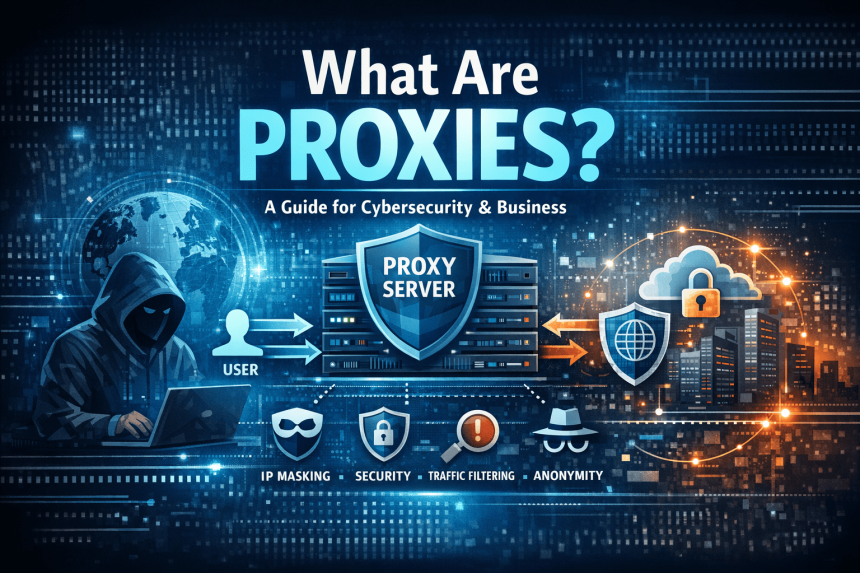
A proxy server works as a bridge between users and the internet. It sends requests to websites on your behalf. Then, it returns the data to you. This process keeps your identity hidden. As a result, your real IP address stays protected.
Moreover, proxy servers improve browsing control. They filter traffic and block harmful content. Therefore, many users rely on them for safer internet use.
How Proxy Servers Work
A proxy server receives your request first. After that, it forwards the request to the target website. Then, it collects the response. Finally, it delivers the data back to you.
Because of this process, websites see the proxy instead of you. In addition, this helps reduce direct exposure to threats. Consequently, it increases online safety.
Types of Proxy Servers
Different proxy servers serve different needs. Each type offers unique benefits.
Forward Proxy
A forward proxy handles requests from users. It hides the client identity. Therefore, it is useful for personal browsing.
Reverse Proxy
A reverse proxy protects servers. It manages incoming traffic. As a result, it improves performance and security.
Transparent Proxy
A transparent proxy does not hide your identity. However, it monitors traffic. Schools and offices often use it.
Anonymous Proxy
An anonymous proxy hides your IP address. It also prevents tracking. Therefore, it is ideal for private browsing.
Elite Proxy
An elite proxy offers the highest privacy level. It hides both your IP and proxy usage. As a result, it ensures strong anonymity.
Benefits of Using a Proxy Server
Proxy servers offer several advantages. They enhance both security and performance.
First, they protect your identity online. This reduces the risk of tracking. Second, they improve browsing speed through caching. Cached data loads faster. Therefore, it saves time.
Additionally, they help bypass geo-restrictions. You can access blocked content easily. Moreover, they filter harmful websites. This protects users from malware.
Common Uses of Proxy Servers
Many industries use proxy servers daily. Businesses rely on them for security. They also control employee internet usage.
Students use proxies to access restricted resources. Similarly, marketers use them for data collection. Furthermore, developers test websites using different IPs.
Proxy Server vs VPN
A proxy server and a VPN both hide your IP. However, they work differently. A proxy only handles specific traffic. On the other hand, a VPN encrypts all data.
Therefore, a VPN offers stronger security. However, a proxy is faster and simpler. So, users choose based on their needs.
Risks of Proxy Servers
Proxy servers also have some risks. Free proxies may log your data. As a result, your privacy could be at risk.
Moreover, some proxies lack encryption. Therefore, sensitive data may get exposed. It is important to choose a reliable provider.
How to Choose the Best Proxy Server
Choosing the right proxy is essential. First, check security features. Strong encryption is important.
Second, consider speed and reliability. A fast proxy improves browsing experience. Third, review privacy policies. Ensure no data logging.
Finally, compare pricing plans. Paid proxies often offer better performance.
Conclusion
A proxy server is a powerful tool for modern internet users. It improves privacy and security. It also enhances browsing speed. However, choosing the right proxy is important. With the right setup, users can enjoy a safer online experience.
FAQs
What is a proxy server used for?
A proxy server hides your IP and improves online privacy.
Is a proxy server safe?
It is safe if you use a trusted provider.
Can a proxy server improve speed?
Yes, caching helps load websites faster.
What is the difference between proxy and VPN?
A proxy handles specific traffic, while a VPN encrypts all data.
Are free proxy servers reliable?
Free proxies may pose risks, so use them carefully.