

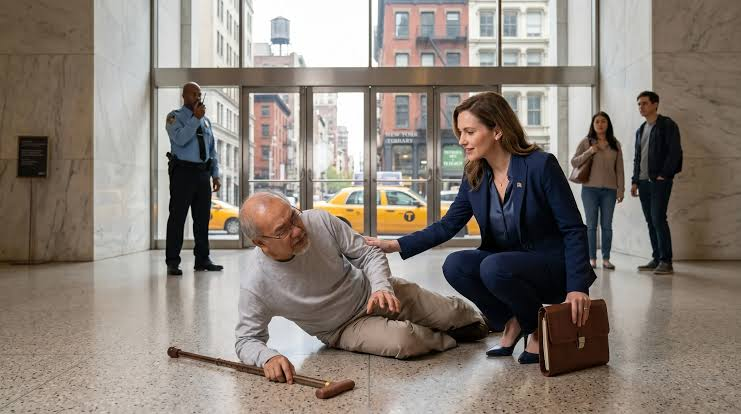
A slip and fall accident can happen in seconds, but the effects may last for months or even years. A wet grocery store floor, broken sidewalk, icy entrance, poor lighting, loose stairway, or another dangerous condition can cause serious injuries. Victims may face medical bills, lost income, pain, and stress while trying to understand who is responsible for the accident. In New York City, premises liability law can give injured people a legal path toward compensation when a property owner or another responsible party failed to maintain reasonably safe conditions.
Working with a slip and fall lawyer in NYC can help an injured person understand their rights and build a strong claim. These cases are not always as simple as proving that a dangerous condition existed. The injured person may need to show that the property owner or responsible party knew, or should reasonably have known, about the hazard and failed to correct it or provide an adequate warning. Evidence, timing, photographs, witness statements, maintenance records, and medical documentation can all play an important role.
New York City also has unique conditions that can affect premises liability claims. Busy sidewalks, apartment buildings, stores, restaurants, offices, subway areas, construction zones, and public spaces can involve different property owners and maintenance responsibilities. Understanding these details is essential when determining who may be legally responsible for an injury.
Understanding Slip and Fall Accidents in New York City
A slip and fall accident is generally considered a type of premises liability incident. Premises liability refers to the legal responsibility that property owners, tenants, managers, or other parties may have to keep their property reasonably safe for people who are legally present. When a dangerous condition causes an injury and the responsible party failed to take reasonable steps to address it, an injured person may have grounds for a claim.
Common examples include slipping on spilled liquids, falling because of uneven flooring, tripping over damaged sidewalks, falling on broken stairs, or losing balance because of inadequate lighting. During winter, snow and ice can create additional hazards throughout New York City. A person may also fall because of debris, cracked pavement, defective handrails, loose carpeting, potholes, or other unsafe conditions.
Not every accident automatically creates a successful premises liability case. Property owners are not necessarily responsible for every accident that happens on their property. The circumstances surrounding the accident matter. A central question is whether the dangerous condition was created by the property owner or another party, or whether the responsible party had enough time to discover and correct the condition.
For example, imagine that a customer slips on water inside a store. If an employee caused the spill moments before the accident, there may be evidence that the store created the hazardous condition. If the spill had been present for a long period and employees had a reasonable opportunity to discover it, the injured person may argue that the store had constructive notice of the danger. On the other hand, if the hazard appeared immediately before the fall and there was no reasonable opportunity to address it, proving negligence may be more difficult.
A slip and fall lawyer in NYC can examine these details and determine what evidence may support the claim. The lawyer may investigate the location, identify potentially responsible parties, review available records, speak with witnesses, and evaluate the connection between the accident and the injuries.
The type of property can also affect a case. A fall in a private apartment building may involve different responsibilities than a fall inside a retail store. A sidewalk accident may involve the city, a property owner, a tenant, or another entity depending on the specific circumstances. Construction sites can involve contractors, property owners, managers, and other parties. Because responsibility is not always obvious, identifying every potentially liable party is an important part of the legal process.
Proving Negligence in a NYC Premises Liability Case
Building a strong premises liability claim usually requires more than showing that an accident occurred. The injured person generally needs evidence supporting the elements of negligence. This can include showing that a duty existed, a dangerous condition was present, the responsible party breached its duty, and the breach contributed to the injury.
Property owners and other responsible parties generally have a duty to take reasonable care of their premises. That duty can include inspecting the property, addressing known hazards, performing appropriate maintenance, and providing reasonable warnings when a dangerous condition cannot immediately be fixed. The exact duty depends on the property and circumstances.
Notice is often a major issue in New York slip and fall cases. Actual notice may exist when the property owner or another responsible person knew about the dangerous condition. For example, an employee may have received a complaint about a broken stair before the accident. Constructive notice may become relevant when the condition existed long enough that a reasonable inspection should have discovered it.
Evidence can help establish notice. Maintenance logs, inspection reports, incident reports, employee records, surveillance video, prior complaints, photographs, and witness testimony may provide important information. In some cases, records showing how frequently an area was inspected can help determine whether the property was reasonably maintained.
The appearance and nature of the hazard can also matter. A damaged floor that had clearly deteriorated over time may present a different factual situation from a newly created hazard. Similarly, evidence showing that a dangerous condition repeatedly occurred in the same location may be important when evaluating whether the responsible party should have known about it.
A strong claim also needs evidence connecting the dangerous condition to the accident. This can be challenging when there are competing explanations for a fall. The injured person’s account, photographs, witness statements, surveillance footage, accident reports, and medical records can help create a clearer timeline.
Comparative fault can also affect compensation. In New York, an injured person may still be able to recover damages even if they are found partly responsible for the accident, although the amount recovered can be reduced according to their share of fault. For that reason, statements made immediately after an accident and during an insurance investigation can become important.
An experienced slip and fall lawyer in NYC can help protect the evidence needed to present a complete case. Instead of focusing only on the injury, the attorney can investigate what happened before, during, and after the fall. This broader approach can reveal information that may otherwise be overlooked.
Evidence That Can Strengthen a Slip and Fall Claim
Evidence is one of the most important parts of a premises liability case. Conditions at an accident scene can change quickly. A store employee may clean a spill, snow may melt, a damaged sidewalk may be repaired, or a broken stair may be replaced. Once the condition changes, proving what the area looked like at the time of the accident can become more difficult.
Photographs and videos taken shortly after the fall can therefore be valuable. Images should capture the specific location of the accident and the dangerous condition from several angles when possible. A wider photograph can show the surrounding area, while closer images can show details such as cracks, water, ice, debris, damaged flooring, or poor lighting.
Witness information can also be important. Someone who saw the fall may be able to describe the condition of the property or what happened immediately beforehand. Employees or other people who were present may also have knowledge about previous complaints or maintenance activity.
Surveillance footage can be particularly useful. Many stores, apartment buildings, offices, parking facilities, and other properties use security cameras. However, video may not be stored indefinitely. An attorney may therefore take steps to preserve potentially relevant footage before it is automatically overwritten.
Medical documentation is another major part of a claim. A person who falls may suffer a broken bone, head injury, back injury, neck injury, shoulder injury, ligament damage, or other condition. Some injuries may not become obvious immediately. Prompt medical evaluation can help protect the person’s health and create a medical record connecting the injuries to the accident.
Medical records, treatment notes, diagnostic tests, prescriptions, rehabilitation records, and medical bills can help document the nature and cost of an injury. Records concerning time away from work can also be relevant when a person loses income because of the accident.
A slip and fall lawyer in NYC may also investigate property records and maintenance practices. Depending on the location, this could involve reviewing inspection documents, prior complaints, contracts, photographs, incident reports, or other records. The goal is to develop a factual picture of what happened and why the hazardous condition existed.
It is also important for injured people to preserve their own records. Keeping copies of medical bills, appointment information, employment records, photographs, correspondence, and insurance communications can make it easier to understand the financial and personal impact of the accident.
People should also be careful about discussing an accident on social media. Posts, photographs, or comments may later be reviewed during a legal dispute. Avoiding unnecessary public statements about the accident or injuries can help prevent misunderstandings.
How a Slip and Fall Lawyer in NYC Can Help
After a serious fall, dealing with an insurance company while recovering from an injury can be overwhelming. Insurance representatives may ask questions about the accident, request medical information, or attempt to determine whether another party is responsible. An attorney can communicate with insurers and help protect the injured person’s legal interests.
A slip and fall lawyer in NYC can begin by reviewing the facts of the accident. This may include discussing where the fall occurred, what caused it, when it happened, who owned or controlled the property, whether witnesses were present, and what injuries resulted. The attorney can then identify potential legal issues and determine what evidence should be preserved.
Investigating the property is another important step. A lawyer may examine the accident location, identify the property owner or responsible entity, review available surveillance footage, locate witnesses, and investigate whether complaints or maintenance records exist. This can be especially important when the injured person does not know who controlled the dangerous area.
An attorney can also assess damages. Economic damages may include medical expenses, rehabilitation costs, lost wages, and other measurable financial losses. Depending on the facts of the case, compensation may also involve non-economic losses associated with pain, suffering, reduced quality of life, and the effects of an injury.
The value of a case cannot be determined from the injury alone. Two people may suffer similar injuries but have very different claims because of differences in liability, medical treatment, lost income, evidence, and long-term effects. A careful case evaluation considers the complete circumstances rather than relying on a simple formula.
Settlement negotiations are another part of many premises liability cases. An insurance company may make an offer to resolve the claim. The injured person does not have to accept the first offer simply because it is presented. An attorney can review the offer, compare it with the documented damages, and negotiate when appropriate.
If a fair settlement cannot be reached, litigation may become necessary. A premises liability lawsuit can involve formal pleadings, discovery, depositions, expert testimony, motions, and potentially a trial. Not every case goes to trial, but preparing the claim as though the evidence will be closely examined can strengthen negotiations.
Time limits are also important. New York law establishes deadlines for different types of injury claims, and special rules can apply when a government entity may be involved. Because missing a legal deadline can seriously affect a person’s ability to pursue compensation, injured people should seek legal advice promptly rather than waiting until the deadline is close.
Choosing the right attorney is about more than finding someone who handles personal injury cases. An injured person may want a lawyer who understands New York premises liability law, has experience investigating slip and fall accidents, communicates clearly, and takes the time to understand the client’s circumstances.
A strong attorney-client relationship depends on honest communication. Clients should provide accurate information about the accident, medical treatment, prior injuries when relevant, work limitations, and conversations with insurers. Lawyers can build stronger cases when they have complete and reliable facts from the beginning.
What to Do After a Slip and Fall Accident in NYC
The steps taken immediately after a slip and fall can influence the strength of a future claim. When possible, the injured person should report the accident to the property owner, manager, store employee, security officer, or another responsible person. Asking for documentation of the incident can also be useful.
If the person is physically able to do so, photographs of the dangerous condition should be taken as soon as possible. The location, surrounding area, lighting, warning signs, footwear, and visible hazard may all become relevant later. If the person cannot take photographs because of the injury, a companion or witness may be able to help.
Medical attention should not be delayed simply because the injury initially seems minor. Some injuries develop or become more noticeable hours or days after an accident. Medical professionals can evaluate the condition and recommend appropriate treatment. Following medical instructions can also create a consistent record of the injury and recovery process.
It is wise to preserve clothing and footwear involved in the accident, especially when they may provide information about what happened. The injured person should also keep records of expenses and missed work. These details can become important when calculating the financial impact of the injury.
People should be cautious when speaking with insurance representatives. They should answer questions honestly, but they do not need to guess about facts they do not know. They should also avoid making statements that minimize their injuries simply because they want to appear polite or optimistic.
Most importantly, an injured person should consider speaking with a slip and fall lawyer in NYC as soon as reasonably possible. Early legal guidance can help identify potential defendants, preserve evidence, understand deadlines, and avoid mistakes that could weaken the claim.
A successful premises liability case is built on facts. The strongest claims typically have a clear explanation of what caused the accident, evidence showing why the responsible party may be liable, reliable medical documentation, and a well-supported calculation of damages. While no attorney can guarantee a particular result, careful preparation can put an injured person in a better position to pursue a fair outcome.
Conclusion
A slip and fall can turn an ordinary day in New York City into a difficult and expensive experience. Property owners and other responsible parties may have legal duties to maintain reasonably safe premises, but proving liability requires more than showing that someone fell. The circumstances surrounding the dangerous condition, notice, property control, evidence, medical treatment, and the injured person’s own conduct can all affect the case.
Working with a knowledgeable slip and fall lawyer in NYC can make the legal process easier to understand and help protect important evidence. From investigating the accident scene to reviewing medical records, identifying responsible parties, negotiating with insurers, and pursuing litigation when necessary, an attorney can provide valuable guidance throughout the claim.
If you have suffered an injury because of a hazardous condition on someone else’s property, do not assume that the accident is simply your fault. Preserve evidence, seek appropriate medical care, document what happened, and learn about your legal options as soon as possible. A careful investigation can make the difference between an unsupported allegation and a well-developed premises liability case.