

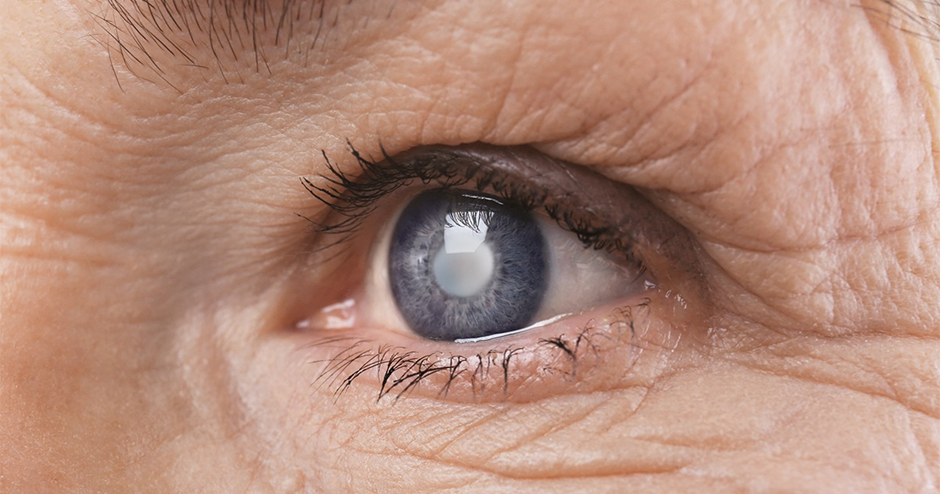
Until anything goes wrong, most individuals don’t give their eyes much thought. The problem with glaucoma is that’s what it is. When an individual feels something is wrong, it usually has already happened. Not for nothing was it called the “silent thief of sight.
But what is glaucoma, anyway? Essentially, it is a cluster of conditions that affect the optic nerve which is damaged, typically by increased pressure from the eye. It is a neurone that gradually deteriorates and sends what you see straight to your brain. No dramatic warning. No loud alarm. Just a quiet, irreversible loss that builds over time.
It Does Not Always Announce Itself
That is what makes this condition so dangerous. A person could be losing their side vision for months and never connect the dots. They think it is due to stress, age or that the person needs new glasses. The clock continues to run, though. Because of this, it’s much more crucial than you might think to be aware of the warning signs of glaucoma!
The 10 Signs That Deserve Real Attention
- Slowly shrinking peripheral vision tends to be the first red flag. It is subtle enough that people dismiss it entirely. However, that slow tube shrinking is an early danger sign that should be noticed before things get worse.
- Blurry or hazy vision that no prescription seems to fix is another signal. An experienced eye specialist will look beyond the eye lenses and examine whether fluid pressure inside the eye is actually behind the blur.
- Halos around lights at night feel almost decorative at first. Rings of color around headlights or streetlamps seem harmless. They are not. One of the more common early signs of glaucoma that people often ignore is a fluid that obstructs the flow of light through the eye.
- Sudden, severe eye pain paired with headaches or forehead pressure is urgent. This is particularly important in the case of acute angle closure glaucoma which may evolve into a medical emergency. Visiting an eye hospital at this point is not optional.
- Nausea alongside eye pain throws people off because it seems unrelated. Many assume it is a migraine or something they ate. But this combination specifically is a known warning sign that an eye specialist needs to evaluate right away.
- Persistent redness in the eyes If the redness in eyes does not get better on its own then it should never be ignored with drops bought over the counter at the pharmacy. If there is any other symptom from this list then the redness should not be ignored by eye drops bought over the counter at the pharmacy.
- Tunnel vision If glaucoma is not addressed for a long length of time, tunnel vision may occur. The appearance of vision is gradually narrowing in on the sides until the remaining vision looks through a thin pipe. Glaucoma treatment at this stage is more concerned with preserving than restoring.
- Sudden visual disturbances Any sudden changes in vision such as flashes or vision that seems to suddenly become hazy or blurred should be seen by an eye surgeon right away. These episodes are a call to attention from the eye about possible structural problems.
- Recurring headaches in the morning or evening without a clear cause often get blamed on screens or dehydration. For people already at risk for eye problems, these headaches may actually trace back to pressure fluctuations inside the eye.
- Struggling to see in dim environments is the tenth sign and one of the most underreported. Night driving becomes harder. Stepping into a darker room takes longer to adjust to. These changes feel minor until they do not.
What Understanding What Is Glaucoma Actually Means in Practice
Knowing what is glaucoma is only useful when that knowledge pushes someone toward action. A proper diagnosis at a trusted eye hospital involves pressure testing, optic nerve imaging, and visual field assessment. None of it is complicated. All of it matters enormously.
There have been major advances in the treatment of glaucoma today. Depending on the state of the condition an ophthalmologist might be able to prescribe medication, laser treatments or surgery. Modern eye technology in clinics takes surgical procedures to even more accurate and healing levels than ever.
Here is the bottom line. The signs of glaucoma are real, they are documentable, and they are catchable early. Eye care is not something to schedule “eventually.” For anyone reading this who has noticed even one of these warning signs, the most human thing to do is simply pick up the phone and book an appointment. Sight, once gone, does not come back.