
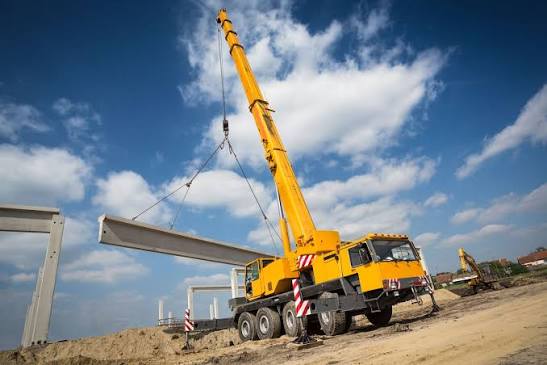
Construction, industrial maintenance, equipment placement, and material-handling projects often require lifting capabilities beyond what standard jobsite machinery can provide. Renting a crane gives project teams access to specialized equipment for a defined period without taking on the full responsibilities of ownership.
Contractors comparing Houston crane rental options should consider more than lifting capacity alone. Crane selection depends on load weight, lifting radius, required height, ground conditions, site access, and the space available for setup and operation.
Understanding these factors can help project managers choose appropriate equipment, develop a realistic budget, and coordinate the rental with the rest of the job.
Key Takeaways
- Renting avoids many of the acquisition, storage, depreciation, and long-term maintenance costs associated with ownership.
- The crane must be selected according to the load, lift radius, height, site conditions, and equipment specifications.
- Rental costs may include delivery, setup, permits, operators, attachments, and other project-specific expenses.
- Operators, training, and compliance services should never be assumed to be included in the rental.
- Early planning helps improve equipment availability and reduce avoidable scheduling problems.
1. Lower Equipment Ownership Costs
Purchasing a crane requires a substantial capital investment. Ownership can also involve financing, insurance, storage, inspections, transportation, maintenance, repairs, and depreciation.
For a company that does not need the same crane regularly, renting may provide a more practical way to access lifting equipment. The business pays for the equipment during the rental period without committing resources to an asset that may remain idle between projects.
Renting can also reduce concerns about long-term storage and resale. Once the rental is complete, the equipment is returned according to the agreement.
This does not mean renting will always cost less than ownership. Companies with frequent and predictable lifting needs may reach a different conclusion. A cost comparison should account for expected utilization, maintenance responsibilities, transportation, financing, and the projected life of purchased equipment.
2. Access to Equipment Matched to the Project
Crane requirements can vary considerably from one project to another. A compact crane that works inside a facility may not provide the reach or capacity needed for an exterior construction lift.
BigRentz currently highlights several carry deck crane options in Houston, including:
- 2.5-ton carry deck cranes
- 15-ton carry deck cranes
- 30-ton carry deck cranes
Carry deck cranes are compact, mobile machines designed to lift and transport materials across suitable jobsites. Their rotating booms and relatively small footprints may make them useful in areas with limited space.
Equipment availability can change, so project managers should confirm the exact model, capacity, dimensions, attachments, and specifications before placing an order. Larger or different crane types may require a direct quote and additional logistical planning.
Selecting equipment based only on its maximum capacity can be dangerous. Actual lifting capability changes according to boom length, lift radius, setup, configuration, and other conditions shown on the crane’s load chart.
3. Flexible Rental Periods
Project schedules do not always justify purchasing specialized equipment. A crane may be needed for a single lift, a specific stage of construction, or a limited maintenance period.
Rental arrangements allow project teams to request equipment for the expected duration of the work. This can be useful for tasks such as:
- Placing mechanical equipment
- Moving materials within a facility
- Supporting structural installation
- Handling prefabricated components
- Completing industrial maintenance
- Positioning rooftop equipment
The rental period should include enough time for delivery, required inspections, setup, work completion, and pickup. Projects should also account for possible delays caused by weather, permitting, site readiness, or coordination with other trades.
Extending a rental may be possible, but it depends on equipment availability and the rental agreement. Discussing potential schedule changes in advance can help project teams understand extension rates and notice requirements.
4. Access to a Broader Supplier Network
Finding the correct crane locally can take time, especially when several pieces of equipment are needed or the project has specific capacity requirements.
BigRentz sources equipment through a supplier network serving the Houston area. This approach can help customers search for available equipment without independently contacting numerous rental yards.
A supplier network may also be useful when a project requires several equipment categories. In addition to cranes, a job may need aerial lifts, forklifts, earthmoving machinery, or site services.
Availability is not guaranteed until the rental is confirmed. Project managers should reserve equipment as early as practical, particularly when the lift requires a less common capacity or configuration.
Before accepting a rental, confirm:
- Equipment make and model
- Rated capacity and load chart
- Boom length and reach
- Equipment dimensions
- Delivery and pickup details
- Required attachments
- Rental duration
- Cancellation and extension policies
- Maintenance responsibilities
- Documentation provided with the machine
5. Reduced Long-Term Maintenance Responsibility
Crane ownership involves ongoing inspection, service, repair, documentation, and parts-management responsibilities. With a rental, many equipment-level maintenance obligations remain with the rental supplier according to the contract.
The renter still has important duties. Equipment should be inspected as required, operated only by properly qualified personnel, and removed from service if a safety concern develops.
Before the crane arrives, the project team should confirm who is responsible for:
- Pre-use and shift inspections
- Routine maintenance during the rental
- Fuel or charging
- Damage reporting
- Repairs caused by misuse
- Emergency service
- Replacement equipment
- Documentation and inspection records
Maintenance terms vary, so these responsibilities should be reviewed in the rental agreement.
How to Choose the Right Crane
Choosing a crane begins with a detailed understanding of the planned lift. Useful information to provide to the rental company includes:
- Weight of the load
- Load dimensions
- Required lifting height
- Horizontal distance from the crane to the load
- Crane setup location
- Ground conditions
- Overhead obstructions
- Available access routes
- Indoor or outdoor use
- Expected rental duration
The crane must be capable of completing the lift in the planned configuration. Maximum capacity alone is not enough because rated capacity generally decreases as the lifting radius increases.
A qualified person should review the lift conditions, crane specifications, and load chart. Complex or critical lifts may require additional engineering, documentation, or planning.
Crane Rental Safety Responsibilities
Renting a crane does not automatically transfer all safety and regulatory responsibilities to the supplier. Employers and contractors remain responsible for following applicable federal, state, and local requirements.
Important precautions may include:
- Using appropriately trained and certified operators when required
- Conducting required inspections
- Following the manufacturer’s operating instructions
- Reviewing the crane’s load chart
- Establishing an appropriate setup area
- Evaluating ground stability
- Maintaining clearance from power lines
- Controlling access to the lifting area
- Using qualified signal persons and riggers when required
- Monitoring weather conditions
Project managers should not assume that an operator is included. Some rentals provide equipment only, while operated crane services may follow different terms. Operator arrangements should be confirmed in writing before the rental date.
Budgeting for a Crane Rental
The advertised equipment rate may represent only one part of the total project cost. Pricing varies according to the crane, capacity, location, availability, demand, and rental duration.
Possible expenses include:
- Base rental rate
- Delivery and pickup
- Fuel or environmental charges
- Operator services
- Assembly or setup
- Attachments and rigging equipment
- Permits
- Traffic control
- Utility coordination
- Insurance requirements
- Overtime or extended-use fees
- Taxes
- Cleaning or damage charges
Requesting an itemized quote can help identify which services are included. Project teams should also review minimum rental periods, billing increments, cancellation terms, and extension rates.
Preparing the Jobsite
A crane should not arrive before the site is ready. Delivery delays and unsuitable setup areas can increase costs and disrupt the project schedule.
Before delivery:
- Confirm the access route can accommodate the transport vehicle and crane.
- Identify underground utilities, trenches, vaults, or unstable areas.
- Verify that the setup area is level and capable of supporting the equipment.
- Address overhead power lines and other obstructions.
- Establish traffic and pedestrian controls.
- Prepare the load and approved lifting points.
- Confirm that required personnel will be available.
- Review the lift plan and communication procedures.
A site-specific assessment may identify additional requirements.
Frequently Asked Questions
How much does it cost to rent a crane in Houston?
Pricing depends on crane type, capacity, rental duration, demand, location, transportation, and additional services. Requesting a current project-specific quote is the most reliable way to estimate costs.
Is an operator included with a crane rental?
Not automatically. Some agreements cover equipment only. Customers should confirm whether an operator is available, what qualifications are required, and how operator costs are billed.
What is a carry deck crane?
A carry deck crane is a compact mobile crane with a rotating boom and a deck for transporting materials around suitable jobsites. Available capacities and dimensions vary by model.
What information is needed to request a rental?
Be prepared to provide the load weight, required height, lifting radius, site conditions, access limitations, location, rental dates, and any attachment requirements.
Can a crane be rented for a small project?
Yes, if the equipment is appropriate for the task. Smaller projects may use cranes for placing HVAC units, moving machinery, or positioning construction materials.
Does renting a crane guarantee regulatory compliance?
No. Compliance depends on operator qualifications, inspections, lift planning, setup, site controls, and adherence to applicable regulations.
Final Thoughts
Crane rentals can give Houston project teams access to specialized lifting equipment without the long-term cost and responsibility of ownership. The value of a rental depends on selecting the correct machine, preparing the site, confirming safety responsibilities, and understanding every charge in the agreement.
Early coordination with the rental provider can help determine availability and clarify equipment specifications, delivery requirements, operator arrangements, and total costs. Careful planning is essential for completing lifting work safely and efficiently.