

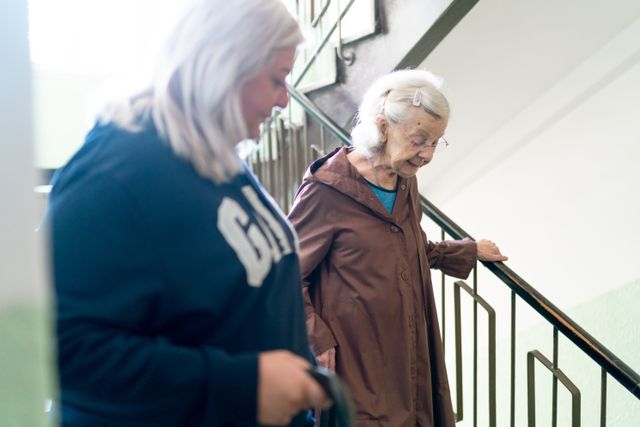
Think about how much your social life depends on having the freedom to make your own choices. For aging adults, that freedom can have a meaningful impact on physical health, emotional well-being, and everyday satisfaction. Independent living communities offer an environment where residents can maintain their autonomy while enjoying opportunities to connect with others. Rather than experiencing the isolation that can sometimes accompany living alone, seniors can enjoy a stronger sense of community and belonging.
Building Meaningful Connections Through Community Living
People often enjoy spending time with others who are experiencing similar stages of life. Independent living environments make those connections easier because residents regularly interact throughout the day. Shared dining spaces, common gathering areas, and community events create natural opportunities for conversation and friendship.
Many residents discover that friendships develop more easily when social opportunities are readily available. There is no need to travel long distances or spend significant time coordinating plans. Neighbors are nearby, and social experiences are built into daily life.
Challenges that can limit social engagement, such as transportation concerns or mobility limitations, are often reduced within a community setting. Residents can participate in events, share meals with friends, and enjoy social gatherings close to home. These opportunities help create a welcoming environment where meaningful relationships can grow over time.
Combating Social Isolation and Loneliness
Social isolation can affect both physical and emotional well-being among older adults. Maintaining regular social connections can support cognitive engagement, encourage physical activity, and contribute to a greater sense of purpose.
Independent living communities help address isolation by creating opportunities for daily interaction. Residents may see neighbors during breakfast, attend a discussion group in the afternoon, or participate in an evening event. Even brief conversations throughout the day can help strengthen a sense of connection.
It is also important to recognize that solitude and loneliness are not the same. Many people enjoy personal time while still valuing social opportunities. Community living allows residents to choose the level of engagement that feels right for them. Whether someone prefers attending large events or participating in smaller group gatherings, a variety of options helps ensure that everyone can find experiences that match their interests.
Access to Organized Events and Life Enrichment Programs
Independent living communities often offer a wide range of life enrichment programs and events designed to appeal to different interests and abilities. Residents may have opportunities to participate in art classes, gardening groups, card games, educational presentations, movie nights, fitness sessions, and volunteer projects.
These programs help create an engaging and active environment where residents can continue exploring hobbies and developing new interests. Community team members often help newcomers feel comfortable participating, making it easier to become involved and meet new people.
Communities also recognize that residents have varying levels of mobility and different personal preferences. Some may enjoy gentle exercise classes, while others prefer social clubs, educational opportunities, or community outings. Families exploring Independent Living with supportive services** in Auburn, AL often appreciate the variety of opportunities available for social connection, personal growth, and daily engagement. These options help residents remain active participants in community life while enjoying the benefits of independent living.
Strengthening Intergenerational and Family Connections
Independent living communities do not separate seniors from their families. In many cases, they can make family visits even more enjoyable. Comfortable gathering spaces, community events, and dining opportunities provide welcoming settings where loved ones can spend quality time together.
Many communities also organize intergenerational programs that bring together residents and younger generations through educational, recreational, or volunteer initiatives. These experiences encourage meaningful conversations, shared learning, and mutual understanding.
Family relationships often benefit as well. When aging adults have access to supportive services and community resources, family visits can focus more on enjoying each other’s company rather than managing daily responsibilities. Grandchildren, children, and other loved ones can spend time creating memories and strengthening relationships in a relaxed setting.
Participating in Volunteer and Purpose-Driven Opportunities
Many residents find fulfillment through volunteer work and community involvement. Without the demands of maintaining a larger household, they often have more time and energy to devote to causes and activities they care about.
Volunteer opportunities may include mentoring younger individuals, supporting local organizations, participating in charitable projects, or helping plan community programs. These experiences allow residents to contribute their knowledge, skills, and life experiences in meaningful ways.
Remaining involved in purposeful work can support emotional wellness and self-confidence. It reinforces the idea that every person has valuable contributions to make regardless of age. Residents who stay engaged in service and community involvement often enjoy a stronger sense of connection and accomplishment.
Conclusion
Independent living communities offer more than a place to live. They provide opportunities for friendship, engagement, and meaningful participation in community life. By reducing barriers to social interaction, offering diverse life enrichment programs, and supporting family connections, these communities help residents remain active and connected.
The social benefits extend beyond companionship. Residents often enjoy ongoing mental stimulation, opportunities for physical activity, and a strong sense of belonging. For many aging adults, choosing independent living means embracing a new chapter filled with connection, purpose, and personal choice while maintaining the independence that matters most.