

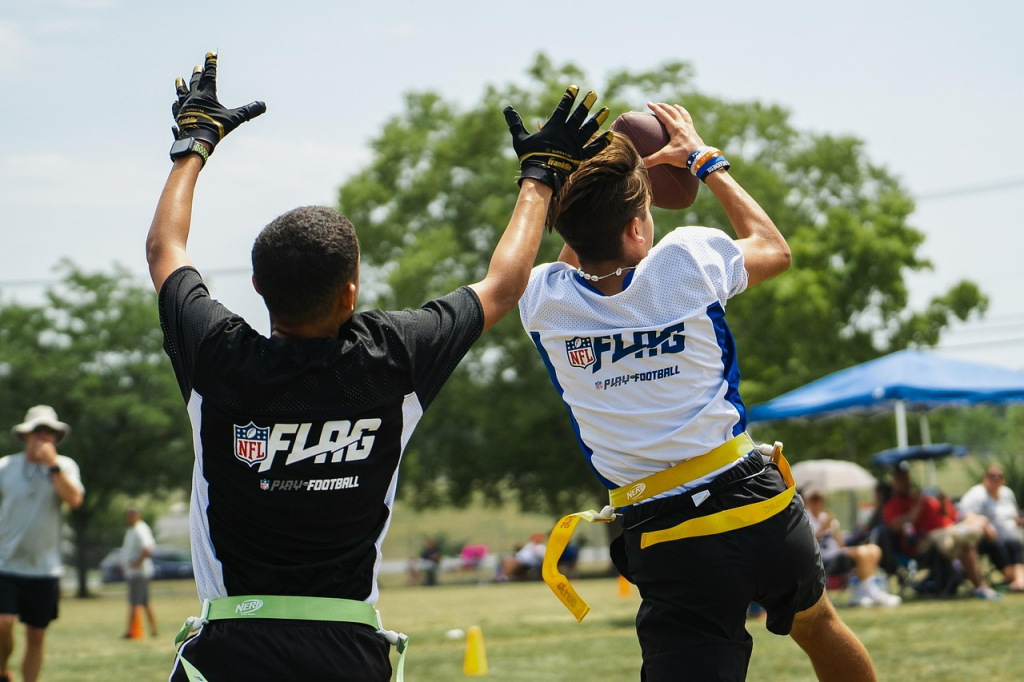
The explosive growth of flag football among youth sports leagues provides an exhilarating experience of playing football without having to encounter the contact. As coaches change from coaching conventional games or modify coaching styles to teach fledgling players for playing competitive flag football, a distinct preparation of these young players has been made.
The trick to being an effective coach has everything to do with understanding that your approach needs to be tailored to the needs of each player on your team. This approach helps ensure that your flag football team functions as an efficient, well-oiled machine.
Understand That Every Young Person is Different
No two young players develop at the same rate. The statement holds particularly true in the game of flag football. While some players may be better at deciphering the defensive patterns of the opponents’ team, others may possess better speed and agility. This awareness acts as the foundation of athletic training.
Everyone develops at a different pace physically. Maybe a player who has trouble with his or her hand-eye coordination now will become your best pass receiver in a few months. The same principles apply to a player’s intellectual maturity. Some players can learn by seeing an example. Others need repetitive training. Many players require a combination of both.
Spend time observing each player during practices. Note who responds better to verbal cues and who responds better to hands-on training. Find leaders and players who respond better to positive reinforcement than to constructive criticism. This observation exercise helps you determine the communication approach that works better with each of your team players.
Cater to Their Needs, Not Yours
Expectations of adults tend to obscure the needs of young athletes. Although it may be exhilarating to win, it’s important to remember that young players want fun and camaraderie more than they want championships and accolades.
Plan your practice sessions to include both the development of your skills and having fun. Flag football is conducive to some very game-like training drills. Use your training sessions for speed work by having a race relay contest. Train your agility with music. Create a challenge that fosters new skills and team spirit.
Think about your own attention levels and those of your fellow age group. Younger players require shorter and varied activity sessions, while older players can participate in longer strategic sessions developing a 7 on 7 youth flag football playbook. Practice sessions should be structured based on your needs to remain engaged without getting overwhelmed.
Cooperate with Their Needs
Inflexibility quashes enthusiasm in youth sports. Young athletes have days that go well and days that are tough, much like adults. Good coaches often adjust their coaching based on what the players need at the moment, as opposed to actually coaching.
Weather, stress from school, and growth spurts may influence the ability of young athletes to execute and feel as they work. If your players seem distracted or lethargic, it may be worth altering your lesson plans. A scrimmage game may be worth much more than drilling the same play for the tenth time.
Flexibility also includes adapting expectations depending on individual growth. Learning flags-pulling skills may come to some players effortlessly as opposed to others. Learn to appreciate minute growth and teach struggling players new avenues of contributing to the team’s success.
Trust Them
Young athletes tend to surprise coaching staff with their understanding and capabilities once given an opportunity to participate in the team. Trusting your players entails giving them the freedom to make decisions on the playing ground. They should be allowed to learn from both success and failure.
In playing games, avoid the tendency to call every play and shout game instructions from the sidelines. The players gain enough confidence and competence in playing by being able to analyze a given circumstance by themselves and act accordingly. This same trust must be applied when practicing games by allowing players to propose changes in game drills and game strategies.
Establish leadership roles within your squad structure. Alternate captains of the team, have experienced players teach newcomers the ropes, and facilitate conversations on team goals and challenges. Empowering young players often translates to better engagement and better performance.
Building Winners Both Off and On the Field
The needs of young players preparing for flag football must be approached sensitive to the process of player and individual growth. Goals of success include not only winning and losing but increased confidence in playing ability, better friendships, and an enduring love of activity.
Don’t forget that your power as a coach extends far beyond the playing field. The values that young athletes learn from playing and working with you include those of teamwork, perseverance, and personal growth. Concentrate on providing positive interactions that encourage continued engagement in sporting and fitness-related activity.