

Introduction
Stucco is one of the most trusted exterior finishes for homes and commercial buildings. It offers durability, energy efficiency, and a timeless appearance that fits many architectural styles. In Albuquerque, stucco is especially popular because it performs well in the area’s dry climate and complements Southwestern home designs. However, even the strongest stucco system can develop problems over time due to weather exposure, age, poor installation, or lack of maintenance.
When cracks, stains, or moisture damage appear, property owners often need professional help to restore both the appearance and structural integrity of their buildings. Experienced Albuquerque stucco contractors understand the unique environmental conditions of New Mexico and know how to repair stucco systems correctly. Their expertise helps homeowners avoid costly structural damage while extending the life of their exterior walls.
This guide explains the most common stucco issues, what causes them, how professionals repair them, and why timely maintenance is one of the smartest investments you can make for your property.
Understanding Why Stucco Problems Develop
Stucco is designed to be strong, weather-resistant, and long-lasting. Despite its durability, it constantly faces harsh environmental conditions. Albuquerque experiences intense sunlight, seasonal rainstorms, occasional freezing temperatures, and significant daily temperature swings. These changing conditions cause stucco materials to expand and contract, which can eventually create stress on the exterior surface.
Poor installation is another leading cause of stucco failure. If the original contractor skipped important preparation steps, used incorrect material ratios, or failed to install proper moisture barriers, the stucco system may begin showing problems much earlier than expected. Small mistakes during installation often become larger issues years later.
Water is another major factor behind stucco damage. Although stucco resists moisture, it is not completely waterproof. Water can enter through tiny cracks, damaged sealants, poorly installed windows, or roof leaks. Once moisture becomes trapped behind the stucco, it may damage framing, insulation, and sheathing.
Normal aging also contributes to wear. Even well-installed stucco gradually loses some of its flexibility after years of exposure to sunlight and changing weather. This natural aging process eventually requires repairs or resurfacing to maintain protection.
Professional exterior contractors inspect not only the visible surface but also the underlying structure to determine the actual source of the problem before beginning repairs.
Cracks, Holes, and Surface Damage
Cracks are among the most common reasons homeowners contact Albuquerque stucco contractors. Some cracks are purely cosmetic, while others indicate more serious structural movement. Understanding the difference is essential because treating only the visible crack without addressing the underlying cause often results in the damage returning.
Hairline cracks usually develop as buildings naturally settle over time. These small surface cracks may seem harmless, but they can allow moisture to enter the wall system if ignored. Early repairs help prevent larger issues from developing.
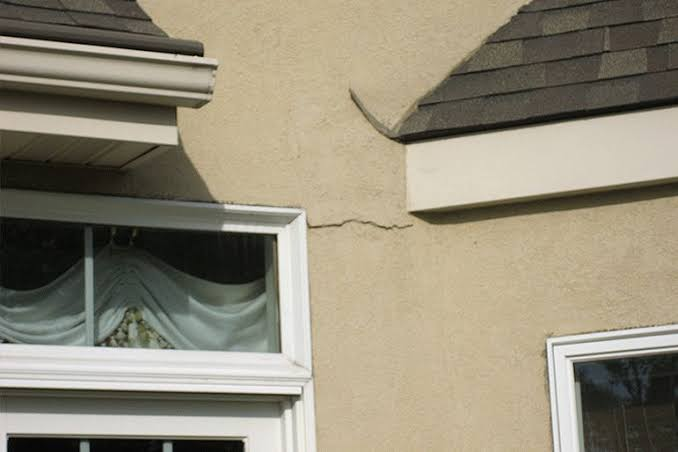
Larger cracks often appear near windows, doors, rooflines, or foundation areas. These locations experience greater structural movement and stress. Temperature changes can also cause expansion and contraction that widens existing cracks.
Impact damage is another frequent problem. Hail, landscaping equipment, ladders, outdoor furniture, or accidental impacts can chip or puncture stucco surfaces. Even small holes expose the underlying materials to moisture and should be repaired promptly.
Professional stucco repair begins with thoroughly cleaning the damaged area. Loose material is removed before applying compatible repair products that match the existing finish. Skilled technicians carefully blend the repair into the surrounding texture, making the repaired section nearly invisible.
Matching color and texture requires experience because older stucco naturally fades over time. Professionals understand how different finishes, pigments, and application methods affect the final appearance.
In cases where cracking covers large sections of a wall, contractors may recommend resurfacing instead of isolated patchwork. This approach provides a more consistent appearance while strengthening the overall exterior.
Prompt crack repair helps maintain curb appeal while protecting the building from future moisture intrusion and structural deterioration.
Moisture Intrusion, Water Damage, and Mold Issues
Many homeowners believe Albuquerque’s dry climate eliminates moisture problems, but water damage remains one of the leading causes of stucco repair. Even limited rainfall can create serious issues when water repeatedly enters through damaged exterior surfaces.
Moisture often finds entry points around windows, doors, roof flashing, vents, and improperly sealed joints. Once inside, water may remain trapped behind the stucco for extended periods, especially if drainage systems are inadequate.
Signs of moisture intrusion include discoloration, staining, bubbling paint, soft wall areas, peeling finishes, musty odors, or visible mold growth. White powdery deposits called efflorescence may also appear when water carries dissolved minerals through the stucco surface.
Professional inspections often include moisture testing equipment that detects hidden water behind the walls. This technology allows contractors to identify problems before major structural damage occurs.
When moisture damage is discovered, repairs extend beyond the visible stucco surface. Damaged wood framing, insulation, weather barriers, and sheathing may require replacement before installing new stucco materials. Ignoring these hidden problems often leads to recurring repairs and higher long-term costs.
Proper flashing installation, improved drainage, new sealants, and moisture barriers are essential parts of a complete repair. These upgrades help prevent future water intrusion while protecting the building envelope.
Experienced Albuquerque stucco contractors focus on solving the root cause instead of simply covering visible symptoms. This comprehensive approach provides longer-lasting repairs and greater peace of mind for homeowners.
Routine inspections after severe weather also help identify developing moisture issues before they become expensive restoration projects.
Stucco Discoloration, Stains, and Finish Deterioration
Over time, even high-quality stucco can lose its original appearance. Constant exposure to sunlight, dust, wind, pollution, moisture, and natural aging gradually changes both the color and texture of exterior walls.
Fading is especially common in Albuquerque because intense ultraviolet rays break down pigments over many years. While fading does not necessarily indicate structural damage, it can reduce curb appeal and make a property appear older than it actually is.
Water stains often develop beneath windows, rooflines, gutters, or irrigation systems. These stains usually signal moisture movement that should be investigated before cosmetic improvements are made.
Efflorescence appears as a white, chalky substance on stucco surfaces. This occurs when water carries dissolved salts to the exterior. Although the deposits themselves are generally harmless, they often indicate excessive moisture inside the wall system.
Biological growth such as algae or mildew may occasionally develop in shaded or damp areas. While less common in Albuquerque than humid climates, these stains should still be removed to maintain a clean appearance.
Professional cleaning methods vary depending on the type of stain. Contractors select appropriate cleaning techniques that remove discoloration without damaging the stucco finish. Harsh cleaning methods can permanently scar textured surfaces if performed incorrectly.
When fading becomes extensive, elastomeric coatings or fresh stucco finishes may restore both appearance and weather resistance. These specialized coatings also provide additional flexibility that helps reduce future surface cracking.
Color matching remains an important part of any repair project. Skilled professionals carefully blend repaired sections so the finished appearance remains uniform across the entire wall.
Regular maintenance, gentle cleaning, and prompt stain removal help preserve the beauty and value of stucco exteriors for many years.
Professional Stucco Repair, Restoration, and Long-Term Maintenance
Repairing stucco requires much more than filling cracks with patching material. Successful repairs depend on proper diagnosis, compatible materials, skilled craftsmanship, and attention to every layer of the wall system.
Professional contractors begin by performing a detailed inspection of the entire exterior. They evaluate cracking patterns, moisture levels, structural movement, drainage systems, expansion joints, flashing, sealants, and previous repairs. This thorough assessment ensures the correct repair strategy is selected.
Small cosmetic repairs may involve localized patching, texture matching, and repainting. Moderate damage may require replacing sections of lath, weather barriers, and finish coats. Extensive deterioration sometimes calls for complete stucco removal and reinstallation.
Modern repair materials offer improved flexibility, moisture resistance, and durability compared to many older products. These advancements allow repaired areas to better withstand future weather conditions.
Preventive maintenance is equally important. Annual inspections allow small problems to be corrected before they become major restoration projects. Homeowners should regularly check for new cracks, damaged caulking, roof leaks, clogged gutters, and areas where landscaping may direct water toward exterior walls.
Proper irrigation management also protects stucco. Sprinklers that constantly spray exterior walls accelerate deterioration and increase the risk of moisture intrusion. Adjusting irrigation systems helps preserve the building envelope.
Cleaning exterior walls with appropriate methods removes dirt and contaminants that can gradually damage protective coatings. However, excessive pressure washing should be avoided because it may force water behind the stucco or damage textured finishes.
Choosing experienced Albuquerque stucco contractors provides additional confidence because local professionals understand regional construction methods, building codes, climate conditions, and common exterior challenges. Their familiarity with Albuquerque’s environment allows them to recommend repair solutions specifically suited to local conditions.
Quality repairs not only improve appearance but also increase energy efficiency by maintaining an effective exterior barrier against air infiltration and moisture penetration. This can contribute to lower utility costs while extending the lifespan of the building.
Regular maintenance also supports property value. Well-maintained stucco creates a positive first impression for visitors and potential buyers while reducing the likelihood of unexpected repair expenses during property inspections.
Conclusion
Stucco remains one of the most durable and attractive exterior finishes available, but like any building material, it requires proper care over time. Cracks, moisture intrusion, discoloration, impact damage, and aging surfaces are common challenges that should never be ignored. Addressing these issues early helps prevent larger structural problems and preserves both the appearance and performance of your home or commercial property.
Working with experienced Albuquerque stucco contractors ensures repairs are completed correctly from the inside out rather than simply covering visible damage. Their knowledge of local climate conditions, construction practices, and advanced repair techniques allows them to deliver durable, long-lasting results. By investing in routine inspections, timely repairs, and preventive maintenance, property owners can enjoy beautiful, energy-efficient, and reliable stucco exteriors that continue protecting their buildings for decades.