
Diesel-powered vehicles and equipment are an important part of many businesses. From trucking companies and construction crews to delivery services and agricultural operations, diesel fleets help keep work moving. However, keeping these vehicles running smoothly requires more than diesel fuel alone. Diesel Exhaust Fluid, commonly called DEF, is also an important part of modern diesel engine emissions systems. When DEF levels get low, vehicles may reduce performance or eventually prevent normal operation. This is where reliable DEF delivery services can make a major difference.
Rhino Fuel DEF delivery provides a convenient way for businesses to keep the DEF they need available at their location. Instead of sending drivers or employees to purchase DEF containers from a retail store, businesses can arrange delivery directly to their fleet, job site, storage area, or commercial facility. This approach can save time, reduce unnecessary trips, and make fleet fueling easier to manage.
For companies that depend on diesel vehicles every day, having a dependable DEF supply is part of good fleet management. On-site DEF delivery can help businesses avoid last-minute supply problems while making it easier to maintain a consistent operating routine. Whether a company manages a few diesel trucks or a large commercial fleet, convenient DEF access can support productivity and reduce interruptions.
What Is DEF and Why Does a Diesel Fleet Need It?
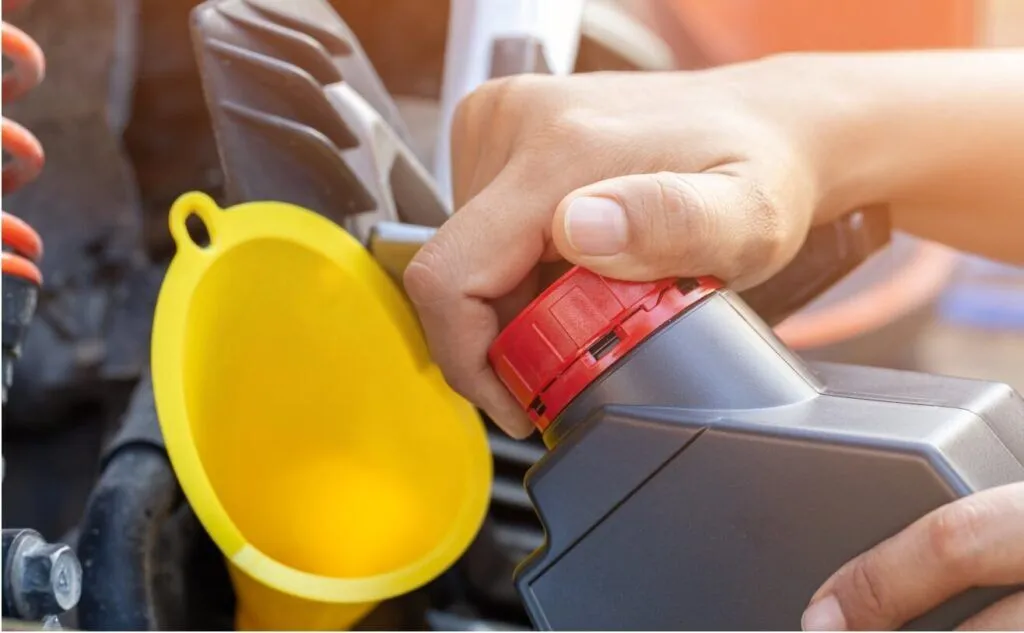
Diesel Exhaust Fluid is a clear, non-toxic solution made primarily from high-purity urea and deionized water. It is used in modern diesel vehicles equipped with Selective Catalytic Reduction, commonly known as SCR technology. DEF is not a fuel additive, and it is not mixed directly with diesel fuel. Instead, it is stored in a separate tank and injected into the exhaust system.
When DEF enters the exhaust system, it works with the SCR system to help convert harmful nitrogen oxides into nitrogen and water vapor. This process helps diesel engines meet modern emissions standards while continuing to deliver the power and efficiency businesses expect from diesel equipment. Trucks, buses, construction machinery, agricultural equipment, and other diesel-powered vehicles may use DEF as part of their emissions control system.
Because DEF is consumed during normal vehicle operation, it needs to be replenished regularly. The amount used depends on several factors, including vehicle type, engine size, operating conditions, load, and driving habits. A fleet that travels long distances or operates heavy equipment for extended hours may require a steady DEF supply.
Running out of DEF can create a serious operational problem. Many modern diesel vehicles are designed to provide warnings when DEF levels become low. If the warning is ignored, the vehicle may eventually enter a reduced-power mode or impose other operating restrictions. For a business that depends on its vehicles for scheduled deliveries, construction work, transportation, or field operations, even a small interruption can affect the entire workday.
This is why reliable DEF inventory management matters. Businesses can plan ahead by monitoring consumption and arranging regular deliveries before their DEF tanks become critically low. Rhino Fuel DEF delivery can be part of this strategy by bringing DEF directly to the location where a fleet needs it.
How Rhino Fuel DEF Delivery Helps Commercial Fleets
Traditional DEF purchasing can create more work than many fleet managers realize. Employees may need to leave a facility, drive to a nearby supplier, purchase containers, transport them back, and store them until they are needed. For a busy operation, these small tasks can add up quickly. On-site DEF delivery offers a more convenient alternative.
With Rhino Fuel DEF delivery, businesses can have DEF brought directly to their operating location. This can be especially useful for companies with multiple diesel trucks, commercial vehicles, heavy equipment, or large DEF storage requirements. Instead of building a schedule around retail purchases, fleet managers can make DEF replenishment part of their normal fueling plan.
Convenience is one of the biggest benefits of mobile DEF delivery. A delivery vehicle can bring the product to a business location, reducing the need for employees to make separate supply runs. This can help keep drivers focused on their primary responsibilities and allow fleet managers to spend more time managing operations.
On-site delivery can also be useful for businesses operating at locations where access to retail DEF is limited. Construction sites, industrial facilities, farms, transportation yards, and remote work areas may not have a convenient supplier nearby. Having DEF delivered directly to the site can make fleet maintenance much easier.
Another advantage is improved supply planning. Instead of waiting until a vehicle displays a low-DEF warning, businesses can monitor their usage and schedule replenishment ahead of time. A consistent supply strategy can reduce the risk of unexpected shortages and help keep diesel vehicles ready for work.
Commercial fleets also benefit from reducing unnecessary handling of small DEF containers. Buying large quantities through an appropriate delivery system can provide a more practical solution for operations with regular DEF consumption. Depending on the fleet’s size and storage setup, businesses may be able to maintain a central DEF supply that can be used across multiple vehicles.
The goal is simple: make DEF available when and where it is needed. Rhino Fuel DEF delivery supports this goal by providing a mobile approach to DEF supply that fits the needs of businesses that rely on diesel equipment.
Why On-Site DEF Delivery Is Valuable for Businesses
Time is one of the most valuable resources for any commercial operation. Every unnecessary trip can take employees away from productive work. For fleet-based businesses, this can be particularly costly because drivers and equipment operators often have strict schedules. On-site DEF delivery helps reduce some of the time spent managing routine DEF purchases.
Imagine a transportation company operating a fleet of diesel trucks. Each truck may consume DEF regularly, and the company must make sure enough product is available for daily operations. If employees repeatedly travel to retail locations to purchase DEF, the company spends time and resources on a task that does not directly generate revenue. A planned delivery service can simplify this process.
The same concept applies to construction companies. Heavy-duty trucks, excavators, loaders, and other diesel-powered equipment may operate for long hours at job sites. If DEF is not available when required, equipment may need to stop or operators may have to spend valuable time finding supplies. Scheduling Rhino Fuel DEF delivery to the work site can help reduce this risk.
Agricultural businesses can also benefit from convenient DEF supply. Farming operations often use diesel tractors, combines, trucks, and other machinery during busy seasons. Equipment downtime can be especially disruptive when work must be completed within a limited weather window. Having DEF available on-site can support a smoother workflow.
Mobile DEF delivery can also simplify fleet fueling management. Companies that already use on-site fuel delivery may prefer to manage diesel and DEF through a coordinated supply strategy. This can make it easier to track fuel-related needs and maintain an organized fleet service routine.
Proper DEF storage is another important consideration. DEF should be kept in suitable containers and protected from contamination and extreme temperatures. Businesses should follow the product and equipment manufacturer’s storage recommendations. Clean handling is essential because contaminants can affect the SCR system and potentially cause expensive repairs.
Fleet managers should also understand that DEF has a shelf life and should be stored properly. Buying large quantities without a clear consumption plan may not always be the best approach. A delivery schedule based on actual fleet usage can help businesses maintain an appropriate supply without unnecessary overstocking.
Reliable DEF service is therefore about more than simply delivering a product. It is about supporting a complete fleet management process. When DEF supply is planned around vehicle usage, storage capacity, and operating schedules, businesses can make their diesel operations more predictable.
Choosing a Reliable DEF Delivery Solution for Your Fleet
Every fleet has different requirements, so businesses should consider several factors when selecting a DEF delivery solution. Fleet size, vehicle type, DEF consumption, operating location, storage capacity, and delivery frequency can all affect the right approach.
A small business with several diesel trucks may need occasional DEF replenishment, while a large transportation company may require regular commercial DEF delivery. Heavy equipment operations may also have different needs because equipment can consume DEF while working for long periods at a fixed site.
The first step is understanding how much DEF the fleet typically uses. Reviewing past consumption can help a business estimate future requirements. Fleet managers can then plan deliveries based on actual demand rather than relying on guesswork.
Delivery flexibility is also important. A good DEF supply solution should fit the company’s operating schedule. Businesses may need delivery to a fleet yard, warehouse, job site, agricultural property, or other commercial location. The more closely delivery can match the company’s workflow, the more useful the service becomes.
Product quality is another major consideration. DEF used in modern SCR systems must meet the appropriate quality standards for diesel emissions equipment. Contaminated or unsuitable fluid can create problems for the emissions system. Businesses should therefore work with a reliable supplier and handle DEF according to manufacturer recommendations.
Storage should be considered before scheduling large deliveries. A company needs an appropriate location and equipment for keeping DEF clean and protected. Proper storage can help maintain product quality and make refilling vehicles easier.
Businesses should also think about emergency needs. Even with careful planning, unexpected usage increases can happen. A major project, additional vehicle, longer routes, or seasonal demand can cause a fleet to use more DEF than expected. Having access to a dependable Rhino Fuel DEF delivery option can provide an additional layer of supply security.
Cost is naturally another part of the decision. However, businesses should look beyond the product’s price alone. The real value of a DEF delivery service can include saved employee time, fewer supply runs, reduced vehicle downtime, improved inventory planning, and greater convenience. A slightly different supply cost may be worthwhile if the overall service helps the business operate more efficiently.
The best DEF delivery solution is one that matches the fleet’s real-world needs. Companies should consider current consumption as well as future growth. As a fleet expands, its DEF requirements may increase, making a scalable delivery arrangement more valuable.
How Rhino Fuel DEF Delivery Supports Better Fleet Management
Fleet management is built around keeping vehicles available, productive, and properly maintained. Fuel is a major part of that process, but DEF should not be overlooked. For modern diesel vehicles that use SCR technology, DEF is an essential operating fluid. Managing it properly can help businesses avoid preventable disruptions.
Rhino Fuel DEF delivery offers a practical way to make DEF supply part of a company’s regular fleet routine. Instead of treating DEF as an emergency purchase when a warning light appears, businesses can plan deliveries around expected consumption. This proactive approach can make supply management more predictable.
A planned delivery schedule can also help fleet managers organize their day. When DEF arrives at the business location, employees do not need to spend as much time traveling to retail stores or searching for available supplies. The product can be available where the fleet is already based or where equipment is currently operating.
This is particularly useful for companies with demanding schedules. Trucking operations, logistics companies, construction businesses, agricultural operations, and other commercial fleets often need their equipment ready throughout the day. Reducing avoidable delays can have a direct impact on productivity.
Mobile DEF delivery can also support centralized fleet operations. Instead of having different drivers manage their own DEF purchases, a company can create a more organized supply process. This may make it easier to monitor consumption, plan inventory, and identify unusual usage patterns.
For growing businesses, this approach can become even more valuable. A company that adds trucks or diesel equipment may quickly increase its DEF requirements. Establishing a dependable delivery process early can help the business scale without creating unnecessary supply challenges.
The environmental role of DEF also makes proper supply management important. SCR technology is designed to reduce nitrogen oxide emissions from diesel engines. By helping diesel vehicles operate with their emissions systems functioning as intended, DEF supports the emissions-control process built into modern diesel equipment.
Of course, DEF is only one part of responsible fleet management. Businesses should continue following vehicle maintenance schedules, monitoring fluid levels, inspecting equipment, and following manufacturer recommendations. DEF delivery does not replace regular maintenance, but it can make one important part of fleet operation easier to manage.
Ultimately, the value of Rhino Fuel DEF delivery comes down to convenience, planning, and reliability. When DEF reaches the fleet instead of requiring employees to search for it, businesses can simplify their daily operations and keep their attention on the work that matters most.
Conclusion
For modern diesel fleets, DEF is an essential part of maintaining proper emissions-system operation. Running low on DEF can create unnecessary stress and may lead to reduced vehicle performance or operational interruptions. Businesses that depend on diesel trucks and equipment can benefit from having a reliable and well-planned DEF supply strategy.
Rhino Fuel DEF delivery provides a convenient approach by bringing DEF directly to commercial locations, fleet yards, and work sites. This can reduce supply runs, save employee time, support better inventory planning, and help businesses keep their diesel equipment ready for work.
Whether you manage a transportation fleet, construction equipment, agricultural machinery, or another diesel-powered operation, on-site DEF delivery can make fleet management simpler. By planning DEF replenishment around actual consumption and operational needs, businesses can avoid last-minute shortages and create a more dependable fueling routine.
As diesel fleets continue to rely on advanced emissions technology, proper DEF management will remain an important part of daily operations. A convenient delivery solution can help businesses stay prepared while allowing drivers, operators, and fleet managers to focus on keeping the business moving.