

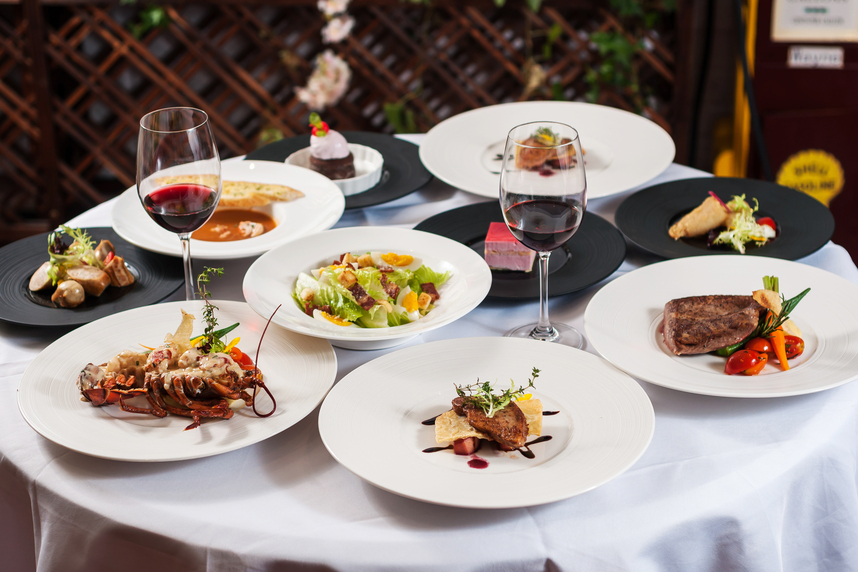
French cuisine and viticulture share a timeless bond rooted in geography, tradition, and chemistry. Achieving the perfect pairing is less about rigid rules and more about balancing weight, acidity, and flavor profile. To explore the pinnacle of modern pairing philosophy, we look to two culinary destinations: Goodfellows in Wells, Somerset, and Cocody Restaurant & Bar in Houston, Texas. Both establishments demonstrate how French techniques can be translated through distinct global filters, using precise chemical interactions between food proteins, fats, and wine elements like tannins and alcohol to elevate the dining experience.
1. The Art of French Wine Pairing
The baseline rules of French food and wine matching rely on the chemical reactions that happen on the palate.
- Acidity vs. Fat: High-fat dishes coat the mouth. Acidity cuts through this film, resetting the palate.
- Tannins vs. Protein: Tannins in red wine bind to proteins in red meat. This softens the astringency of the wine while highlighting the savory qualities of the dish.
- Salt and Sweetness: Salty dishes soften wine acidity and mask bitterness. Sweetness requires a wine of equal or greater residual sugar to prevent the bottle from tasting bitter or flat.
2. The Coastal & Delicate Filter: Seafood Mastery at Goodfellows
At Goodfellows, operating from its townhouse venue, 7B, Chef Adam Fellows applies a classic French foundation to modern Mediterranean-influenced seafood. His wine lists and seasonal menus emphasize crisp acidity, structural minerality, and texturally complex white wines to mirror clean, oceanic flavors.
The Aperitif Foundation: The Kir Royale Tradition
Before diving into multi-course menus, the French pairing experience begins with clean, palate-awakening aperitifs. On special themed menus like the Goodfellows French Evening, guests are welcomed with a choice of Pastis or a classic Kir Royale.
- The Blueprint: A true Kir Royale features Crème de Cassis topped with dry French sparkling wine or true Champagne.
- The Interaction: The residual sugar of the blackcurrant liqueur is sliced through by the searing natural acidity and fine mousse of the sparkling base. This stimulates salivary glands, prepping the palate for rich starters without over-saturating it.
[Sweet Cassis Liqueur] + [Acidic Sparkling Base] = Palate Stimulation
Course 1: The Salmon Rillettes Challenge
A classic French bistro starter featured heavily on Goodfellows’ menus is the Rillettes de Saumon. This dish features flaked fresh and smoked salmon bound with Dijon mustard, crème fraîche, lemon, chives, and topped with Keta caviar.
[Fatty Salmon + Crème Fraîche Base]
│
┌───────────────┴───────────────┐
▼ ▼
[Picpoul de Pinet] [Saumur Blanc]
– Direct acid slice – Structural Chenin Blanc
– Cuts through rich cream – Mirrors smoky complexities
- The Ideal Pour:Picpoul-Terre Blanche, l’Arete de Thau or Saumur Blanc (Chenin Blanc).
- The Interaction: Rich salmon fats and dairy-heavy crème fraîche coat the mouth. A bone-dry Picpoul or a crisp Colombard uses intense natural citrus characteristics to break apart those heavy lipids. For variations with heavy smoked salmon and caviar, the texturally complex Chenin Blanc from Saumur provides enough body to handle the heavy smoke parameters without being drowned out.
Course 2: Delicate White Fish Realized
Moving into the Poisson course, Goodfellows showcases dishes like Merlu a la Provençale (Roast fillet of Hake with Provençal vegetables, olive, tomato, and basil) or Fillet of Sea Bass served with red pepper and olive profiles.
- The Ideal Pour:Chablis, Domaine de la Motte or The Holy Snail, Sauvignon Blanc.
- The Interaction: Hake and Sea Bass are light, flaky fish that can easily be overwhelmed by high-alcohol or oak-aged wines. The unoaked Chardonnay profile of a classic Chablis brings crisp green apple and a distinct flinty minerality. This matches the salinity of the fish and cuts the sweetness of roast tomatoes and peppers without muddying the delicate flesh of the seafood.
Course 3: The Pan-Fried Scallop Mastery
A signature main on the Goodfellows à la carte lineup is the Pan-fried Scallops accompanied by cucumber, asparagus, Avruga caviar, and a white wine and dill sauce.
- The Ideal Pour:Pouilly Fuisse, Chateau Vitalli or Crémant de Bourgogne, Blanc de Blanc.
- The Interaction: Scallops possess a natural sweet profile but require a heavy sauce element like a dill butter fricassee. A high-quality Pouilly Fuisse offers a richer, rounder Chardonnay profile that stands up to the luxury of the white wine and dill sauce. Concurrently, its chalky spine keeps the fresh crunch of spring asparagus and cucumber front and center.
3. The Bold & Layered Filter: Global Sophistication at Cocody
In Houston’s River Oaks District, Cocody Restaurant & Bar brings high-art French precision to life under Executive Chef Lionel Debon. The kitchen focuses on structured, globally influenced French dishes that pair seamlessly with complex old-world labels and powerful new-world wines.
[Rich Savory Mains]
│
┌──────────────────────┴──────────────────────┐
▼ ▼
[Colorado Lamb / Veal] [Fillet of Beef]
│ │
[Saint Joseph / Rhone Syrah] [St. Estephe Bordeaux]
– Tannins break meat proteins – Cab/Merlot structure
– Peppery notes link to game – Matches heavy pepper sauce
The Earthy Entrée: Modern Game Profiles
Cocody elevates the appetizer phase by playing with intense umami textures, incorporating ingredients like wild mushrooms, truffle oils, duck breast, or deeply caramelized vegetables.
- The Ideal Pour:Pinot Noir, Les Volets or Pinot Blanc, Cave de Hunawihr.
- The Interaction: For delicate starters utilizing earthier textures, a crisp Pinot Blanc bridges the gap with soft floral aromatics and balanced acidity. When transitioning to rich starters like a Crispy Duck Salad with a soy-based dressing, the light tannins and red-berry fruit of a southern French Pinot Noir cut through the duck fat while complementing the natural gaminess of the bird.
The Heavy Mains: Beef and Lamb Interventions
When addressing substantial plates like a Fillet of Beef with Peppercorn Sauce (Sauce au Poivre) or a classic Rump of Lamb with Confit Potato, Cocody leans heavily into structured reds.
- The Ideal Pour:Saint Joseph, Le Grand Pompée (Jaboulet) or Reflet de Lafitte Carcasset, St Estephe.
- The Interaction: A prime cut of beef or lamb requires heavy tannic structures to bind with the meat proteins. A Northern Rhône Saint Joseph (100% Syrah) provides cracked black pepper notes that highlight a traditional peppercorn sauce. If the dish skews more towards a rich, roasted meat profile with deep reduction sauces, a left-bank Bordeaux like the St Estephe brings a Cabernet Sauvignon dominance. This clears out the rich fats of confit potato and savory jus, drying out the palate cleanly after every bite.
4. The Grand Finale: Dessert and Sweet Conversions
The sweet conclusion of a French meal requires precision. If a dessert is sweeter than the wine paired with it, the wine will taste stripped of fruit, flat, and overly acidic. Both Goodfellows and Cocody tackle this with curated sweet selections.
[Sweet Dessert Terminations]
│
┌──────────────────┴──────────────────┐
▼ ▼
[Mille Feuille / Raspberry] [Pistachio Crème Brûlée]
│ │
[Coteaux du Layon] [Château Filhot Sauternes]
– High acid balances berries – Honeyed botrytis cuts custard
The Berry Conundrum: Mille Feuille aux Framboises
A classic dessert format utilizing fresh raspberries, pastry cream, and raspberry Eau de Vie.
- The Ideal Pour:Coteaux du Layon.
- The Interaction: Fresh raspberries bring a bright, tart acidity alongside their sweetness. A Chenin-based Coteaux du Layon provides a rich honeyed texture but preserves a striking streak of natural acidity. This lifts the heavy pastry cream while highlighting the fresh fruit profiles.
The Rich Custard Matrix: Crème Brûlée and Flan
Rich egg-yolk custards, such as a Pistachio Crème Brûlée with Candied Orange or a classic Crème Caramel, require high-sugar wines with botrytis character.
- The Ideal Pour:Château Filhot, Sauternes or Montbazillac, L’Ancienne Cure.
- The Interaction: Sauternes and Montbazillac are affected by noble rot (botrytis cinerea), which adds deep notes of apricot, honey, and orange peel. This mirrors the caramelized sugar topping of a crème brûlée perfectly. The high alcohol and residual sugar coat the palate along with the dense egg custard, resulting in a luxurious, balanced finish.