

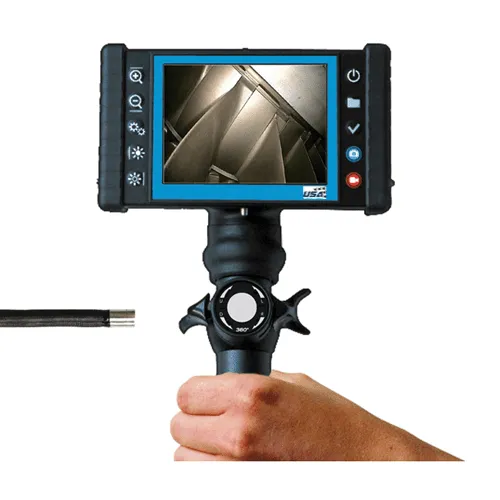
Combustion chambers sit at the heart of gas turbines and many industrial engines. They’re hot, confined, and absolutely critical to safe, efficient operation. When it’s time to inspect them, you can’t afford guesswork—or unsafe shortcuts. That’s why many aviation and power-generation teams rely on purpose-built borescopes to see inside without tearing equipment apart or putting people at unnecessary risk.
Done correctly, borescope inspections let you verify burner condition, thermal distress, cracking, and deposits while controlling exposure to heat, confined spaces, and fuel residues. Done poorly, they can endanger technicians, damage expensive equipment, or leave serious defects undetected.
Understanding the risks inside combustion chambers
Combustion chambers bring several hazards together in one place. Even when the unit is offline, you may still be dealing with:
- Residual heat and hot spots
- Fuel or vapor residues
- Limited space and awkward access
- Sharp edges, deposits, and rough surfaces
Add in the value of the asset—whether that’s a jet engine or an industrial turbine—and it’s clear why a structured, safety-first approach is non-negotiable. Many of the industries that depend on these assets, from aviation to power generation and energy, are the same industries that lean heavily on remote visual inspection as a routine practice.
Why borescopes are ideal for combustion chamber inspections
Visual access without full teardown
Combustion hardware is expensive, and full disassembly is time-consuming and intrusive. A borescope allows you to:
- Inspect liners, domes, swirlers, and fuel nozzles through existing access ports
- Verify conditions after events like hot starts or suspected damage
- Check for cracking, burning, and distortion between scheduled shop visits
This reduces the need for exploratory tear-downs while still giving you real visual evidence of what’s happening inside.
High-detail imaging in confined, complex spaces
Modern video borescopes provide:
- High-resolution images of thermal distress, oxidation, and cracking
- Adjustable lighting to deal with dark surfaces and reflective hot spots
- Articulation that lets you look behind lips, around corners, and back at the entry point
That combination of reach, control, and clarity is what makes borescopes so well suited to combustion chamber work.
Step one: make the environment safe before you scope
Confirm shutdown and cool-down
Before any inspection, verify that:
- The machine is fully shut down and locked out/tagged out according to your procedures.
- The combustion section has cooled to a safe temperature based on OEM limits.
- No automatic start sequences can initiate unexpectedly.
Rushing into a “still-hot” chamber doesn’t just endanger the tool; it exposes technicians to burns and unexpected expansion of components.
Check for residual hazards
Even after cool-down, you should:
- Confirm fuel isolation and depressurization.
- Verify venting and purging requirements, especially where vapors may be present.
- Follow confined-space or limited-space entry procedures if applicable.
These steps help control the risk of ignition, toxic exposure, or oxygen-depleted atmospheres during the inspection.
Inspect the borescope first
Before the probe ever approaches an access port, give the tool a quick health check:
- Look for cuts, kinks, or bulges in the insertion tube.
- Test articulation in all directions—it should be smooth and responsive.
- Confirm image clarity and lighting on the display.
If something looks or feels off, don’t “see how it goes.” Schedule an evaluation through professional inspection equipment services instead of taking a compromised tool into a critical asset.
Best practices during combustion chamber borescope inspections
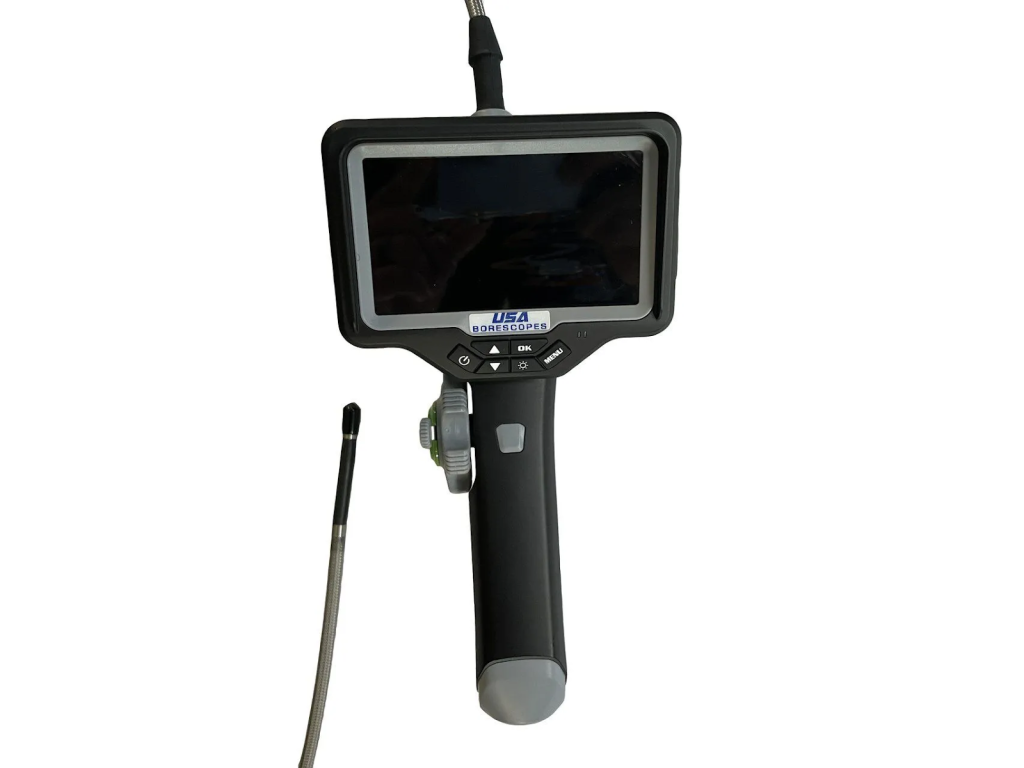
Control the insertion path
Use OEM documentation and internal procedures to determine:
- The correct access ports for the chamber or can you’re inspecting
- The intended insertion path and bend directions
- Any restrictions on probe diameter or bend radius
Advance the probe slowly and deliberately. If you meet unexpected resistance, stop and reassess rather than forcing the scope deeper.
Use articulation thoughtfully
Articulation is your best friend inside a combustion chamber—but only if you treat it carefully:
- Apply smooth, gradual movements instead of sudden “snaps.”
- Avoid rotating the probe while it’s fully articulated; relax the bend slightly first.
- Use small adjustments to scan around domes, liners, and nozzles rather than constantly hitting maximum deflection.
This approach protects both the tool and the internal hardware while also giving you more stable images.
Watch for contact and potential FOD
Combustion components can be coated, thermally stressed, or relatively thin-walled. While they must withstand harsh conditions in service, they don’t appreciate being scraped or poked by a probe tip. Keep an eye on:
- How close the tip is to surfaces when you articulate
- Whether sharp edges or protrusions could snag the insertion tube
- Any debris or loose material that could be dislodged
The goal is to leave the chamber in the same—or better—condition than you found it.
After the inspection: document, clean, and review
Capture and organize evidence
Combustion inspections are only as useful as the records you keep. Make sure you:
- Capture clear images or clips of any notable findings, from minor discoloration to obvious cracking.
- Label them with can or sector references, clock positions, and distances from ports where applicable.
- Store them in a structured system that links footage to asset IDs and work orders.
This documentation supports trend monitoring, engineering review, and regulatory or customer audits.
Clean and check the borescope again
Once the inspection is complete:
- Carefully wipe the probe using approved, non-abrasive materials.
- Check for new marks, abrasions, or articulation changes.
- Allow the probe to dry fully before coiling and storing it in its case.
Any new damage or performance changes should trigger a formal evaluation rather than being ignored. Taking care of the tool immediately after demanding inspections keeps it ready for the next critical job.
Turning safe combustion inspections into a standard practice
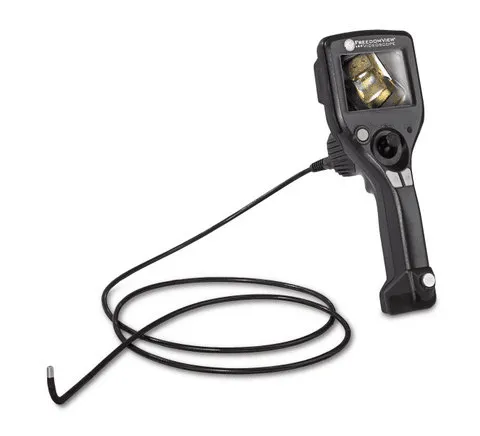
Safe, effective combustion chamber inspections depend on three things coming together: a suitable borescope, a controlled environment, and disciplined operator technique. When all three are in place, you get clearer insights into component health, fewer surprises during outages, and more confidence in decisions about continued operation, repair, or overhaul.
USA Borescopes focuses specifically on remote visual inspection technology and understands the realities of inspecting combustion hardware in aviation, power generation, and other demanding environments. Their experience helping organizations match borescope configurations, inspection techniques, and support options to real-world combustion chamber work is reflected in their history and approach on the company’s About Us page.
If you want to strengthen your combustion chamber inspection process—whether that means selecting better-suited borescopes, tightening safety practices, or planning repair and evaluation for your current tools—it’s worth talking with a specialist team. To discuss your applications and get practical guidance on safer, more effective combustion inspections, contact USA Borescopes today.
About the Author
This guest article was written by a technical content writer who specializes in industrial and aviation inspection workflows. They work with equipment manufacturers and asset operators to turn front-line experience in high-temperature, high-risk environments into practical guidance that helps technicians inspect combustion systems more safely and effectively.