

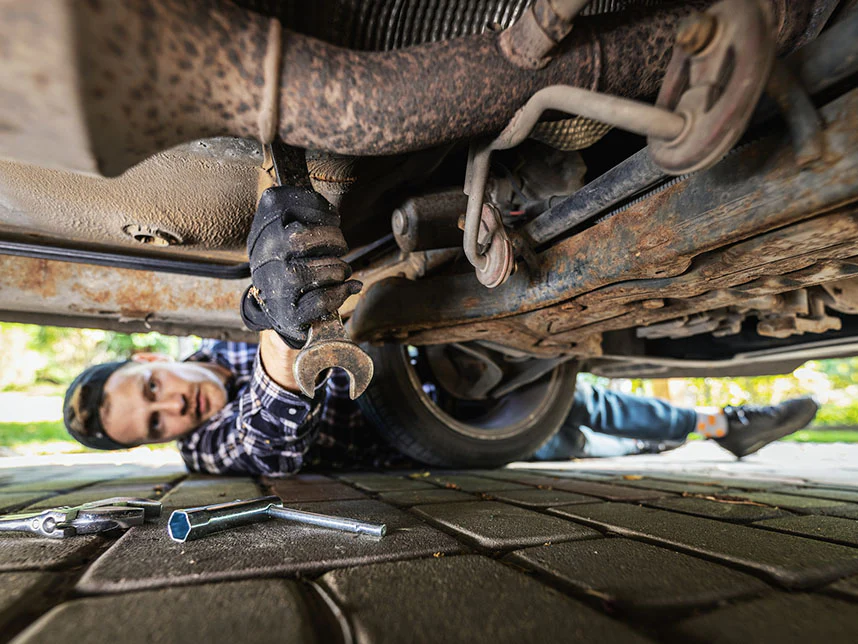
There was a time when nearly every American driver used car repair manuals and kept one within arm’s reach in most garages, they served as a trusted guide for anyone willing to get their hands dirty. Long before diagnostic apps and dealership service centers became the norm, these manuals empowered everyday people to fix problems themselves and avoid expensive trips to the mechanic.
While modern vehicles have introduced more advanced technology, the role of the humble repair manual hasn’t disappeared, it’s simply evolved. In fact, today’s drivers arguably have more access to repair information than ever before. Many manufacturers now provide digital manuals, service instructions, and technical documents online, often free of charge for vehicle owners. This shift means that anyone with an internet connection can tap into the same knowledge that was once limited to professionals.
Getting started at home
One of the biggest advantages of using a repair manual is the structure it provides. These guides are written to take you through each step of a repair or maintenance task in a logical, easy-to-follow way. For beginners, this makes even unfamiliar jobs feel manageable.
Common entry-level tasks include oil changes, replacing air filters, checking fluid levels, and rotating tires. These are the kinds of jobs that don’t require advanced experience but still deliver real savings over time. Manuals will also outline the tools needed, often basic items like wrenches, sockets, and jacks, so you’re not caught off guard halfway through a job.
Building confidence with intermediate jobs
As your confidence grows, repair manuals open the door to more involved work. Jobs like replacing brake pads, installing a new battery, or changing spark plugs are all commonly covered in detail. These repairs are often straightforward but can be costly if left to a workshop, making them ideal for DIY enthusiasts looking to save money.
Importantly, manuals include diagrams, torque specifications, and safety notes that help reduce the risk of errors. Following these instructions carefully is essential, especially as the complexity of the job increases. Taking your time and sticking to the guide can make a significant difference in the outcome.
Working your way up
For those who stick with it, DIY car maintenance can become more than just a cost-saving exercise, it can turn into a valuable skill set. Over time, some drivers progress to more advanced repairs such as suspension work, cooling system fixes, or minor engine components. While not every repair is suitable for a home setup, the learning process itself is what builds capability.
Each successful job adds to your understanding of how your vehicle operates, making future repairs easier and less intimidating. Even if you don’t tackle major repairs, having a solid foundation can help you better communicate with mechanics when professional help is needed.
A smart alternative in a busy repair market
Another factor driving renewed interest in DIY repairs is the growing demand for professional mechanics. Across many parts of the U.S., repair shops are booked out days or even weeks in advance. For routine maintenance or smaller issues, waiting that long can be inconvenient and unnecessary.
Being able to handle simpler repairs at home offers flexibility. It allows you to address issues on your own schedule, avoid delays, and reduce labor costs. In a time when both time and money are at a premium, that’s a significant advantage.
Taking control of car ownership
Car repair manuals may no longer be as visible as they once were, but their value remains strong. With digital access, clearer instructions, and more supporting resources than ever before, today’s drivers are well-positioned to take control of their own vehicle maintenance.
Starting with simple tasks and gradually building your skills can turn DIY repairs into a practical and rewarding part of car ownership. In a world where professional services are in high demand, having the knowledge to fix things yourself isn’t just convenient, it’s empowering.